How to Prepare for a Job Interview
Preparing for a job interview is crucial for making a positive impression on potential employers. This guide provides clear, actionable steps to help you present your best self, understand what to expect, and minimize anxiety. Whether you're entering the job market or pursuing a career change, thorough preparation can boost your confidence and improve your chances of success.
📣 Здесь может быть ваша рекламаОставить заявку →1Method 1: Research the Company
- 1
Understand the Company Culture
Research the company’s mission, values, and culture to understand what they prioritize. Check their official website, social media pages, and recent news articles. Knowing the culture will help you tailor your answers to fit their expectations. Make a note of at least three core values and think of examples that demonstrate how you embody those values in your work. - 2
Know the Job Description
Read the job description carefully to identify key skills and experiences they require. Highlight responsibilities and qualifications that align with your background. Prepare examples from your previous work that demonstrate your suitability for these tasks, aiming for at least three relevant experiences that showcase your strengths in those areas. - 3
Familiarize Yourself with Competitors
Identify the company’s main competitors by using industry reports or simply searching online. Understanding the competitive landscape can give you context for your role within the company and relevant talking points. Mentioning competitor insights during the interview shows that you're well-prepared and knowledgeable about the industry.
2Method 2: Prepare Your Materials
- 📣 Здесь может быть ваша рекламаОставить заявку →1
Update Your Resume
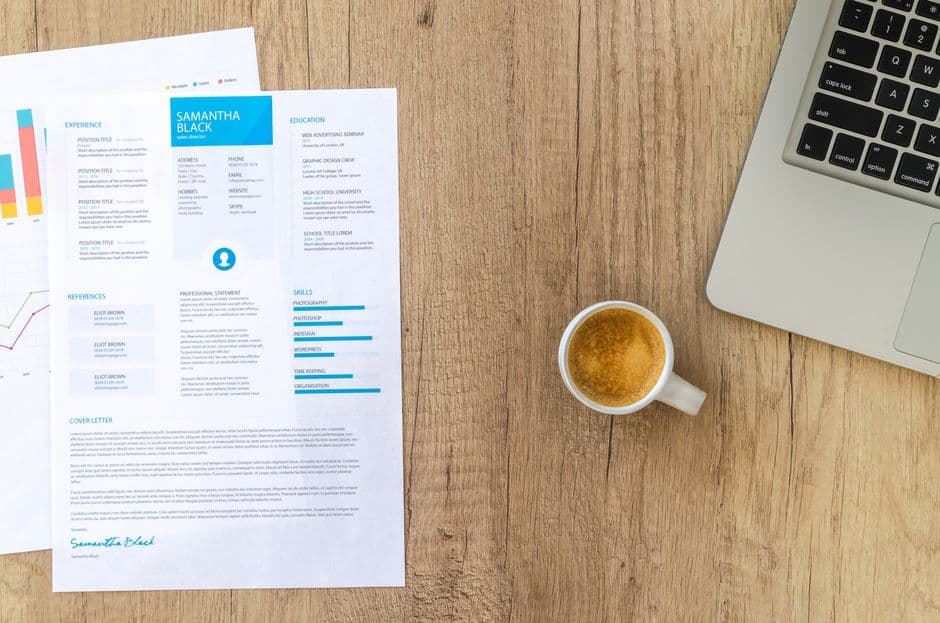
Ensure your resume reflects your most recent experiences and is tailored to the job you are applying for. Use clear formatting and bullet points for readability. Avoid lengthy paragraphs and focus on achievements relevant to the job. Have a copy handy for the interview, both digital and printed forms, to show your organization and professionalism. - 2
Craft Your Cover Letter
If a cover letter is required or recommended, draft a concise one reflecting your enthusiasm for the role and how your skills align with the company's needs. Keep it to one page, emphasizing key achievements that relate to the position. A well-written cover letter sets you apart and provides an opportunity to showcase your personality. - 3
Prepare Your Portfolio or Work Samples
If applicable, compile samples of your work to demonstrate your skills. Organize them neatly in a portfolio or digital format to seamlessly present during the interview. Select diverse pieces that reflect your best work and align with the job role. Prepare to discuss these examples in detail, sharing your thought process and outcomes.
3Method 3: Practice for the Interview
- 1
Conduct Mock Interviews
Practice answering common interview questions in a mock interview setting with a friend or mentor. Focus on questions like 'Tell me about yourself' or 'What are your strengths?'. Provide specific examples using the STAR technique: Situation, Task, Action, Result to structure your answers effectively. Aim for at least three mock sessions to build comfort. - 📣 Здесь может быть ваша рекламаОставить заявку →2
Prepare Questions for the Interviewer
Prepare intelligent questions to ask your interviewers at the end of the session. This could include inquiries about team dynamics, growth opportunities, or company culture. Having thoughtful questions not only shows your interest in the position, but also helps you gauge whether the company is a good fit for you. - 3
Practice Your Body Language
Non-verbal communication is critical during interviews. Practice maintaining eye contact, offering a firm handshake, and using open body language to convey confidence. Record yourself or practice in front of a mirror to observe your posture and gestures. Aim for a friendly yet professional demeanor, avoiding crossing your arms or appearing disinterested.
4Method 4: Plan Your Logistics
- 1
Choose Your Outfit
Select professional attire that matches the company culture. Aim for business casual or formal wear depending on the industry. Ensure your clothes are clean, pressed, and fit well. Prepare your outfit a day prior to avoid any last-minute confusion-consider accessories and shoes to make sure everything is appropriate and polished. - 2
Plan Your Route
If the interview is in-person, plan your route to the interview location in advance. Check traffic conditions and set your departure time accordingly, allowing extra time for unforeseen delays. If the interview is virtual, test your technology 30 minutes prior. Ensure your computer, camera, and microphone function well and that your background is professional. - 📣 Здесь может быть ваша рекламаОставить заявку →3
Get a Good Night's Sleep
Aiming for a restful night’s sleep before your interview can significantly impact your performance. Aim for 7-8 hours of quality sleep to improve focus and confidence. Avoid heavy meals or stimulants before bed. Establishing a calming bedtime routine can help ease pre-interview anxiety, and ensure you wake up refreshed.
💡 Tips
- Dress slightly better than what is standard for the company to present a more polished image.
- Bring a notepad and pen to take notes during the interview, showing attentiveness.
- Arrive 10-15 minutes early to allow yourself to relax and gather your thoughts before the interview starts.
⚠️ Warnings
- Avoid discussing salary or benefits until the employer brings it up to avoid appearing overly focused on compensation.
- Don’t criticize past employers as it could reflect poorly on your professionalism.
- Avoid using filler words like 'um', 'like', or 'you know' during your responses; practice speaking clearly and confidently.
Frequently asked questions
How should I dress for a job interview?
Your attire should match the company's culture and the role's expectations. Aim for business casual or formal wear, ensuring that your clothes are clean and well-fitted. It's often best to choose an outfit that is slightly more formal than what employees typically wear.
What are common interview questions I should prepare for?
Common questions include 'Tell me about yourself', 'What are your strengths and weaknesses?', and behavioral questions like 'Describe a challenging situation and how you handled it'. Practicing answers to these can help you feel more prepared and confident.
How early should I arrive for an interview?
Arriving 10-15 minutes early is ideal. This gives you time to settle, reduces anxiety, and shows punctuality. If it’s a virtual interview, log on at least 5-10 minutes beforehand to ensure your technology is working.
Should I follow up after the interview?
Yes, sending a thank-you email expressing gratitude for the opportunity and reiterating your interest in the position can help you stand out. Aim to send this email within 24 hours after your interview.
What should I do if I'm feeling anxious before the interview?
It's natural to feel anxiety before an interview. Take deep breaths, visualize a positive outcome, and remember your preparation. Engaging in light physical activity or reviewing a few positive affirmations can help calm nerves.