How to Reduce Bloating After Meals
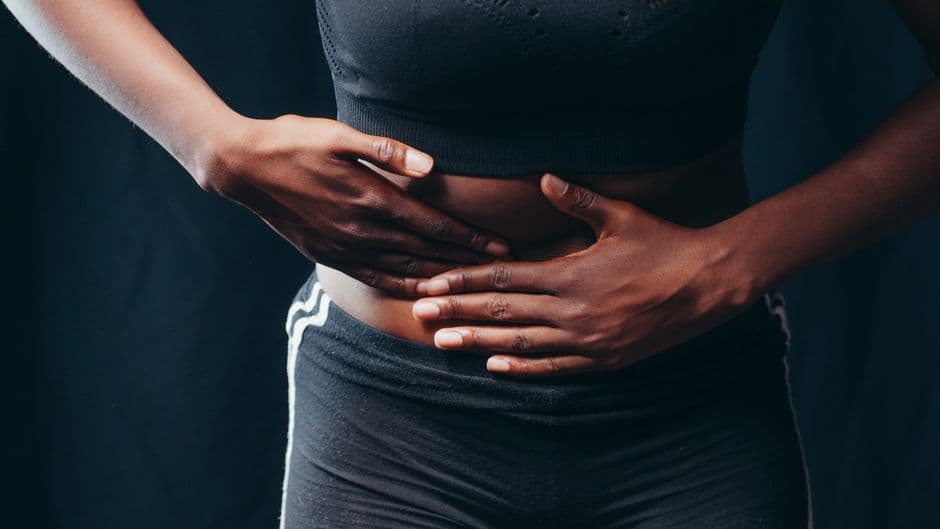
Experiencing bloating after meals is uncomfortable and can affect your daily life. Understanding its causes and implementing effective strategies can help alleviate this issue. Here are some useful methods to effectively reduce bloating after eating.
📣 Здесь может быть ваша рекламаОставить заявку →1Method 1: Eat Smaller Meals
- 1
Control Portion Sizes
Eating large meals can stretch your stomach, leading to bloating. Aim for smaller portions to help your digestive system handle food more effectively. Instead of three large meals, try six smaller ones throughout the day. This keeps digestion steady and reduces pressure. - 2
Chew Food Thoroughly
Properly chewing your food breaks it down into smaller pieces, aiding digestion and minimizing air swallowed. Spend at least 20-30 seconds chewing each bite before swallowing. This not only helps digestion but also allows you to enjoy your meal more. - 3
Avoid Eating Too Quickly
Eating too fast often results in swallowing air, which contributes to bloating. Take your time during meals, and put your utensils down between bites. This practice will also give your body time to signal when it is full, preventing overeating.
2Method 2: Incorporate Digestive Aids
- 📣 Здесь может быть ваша рекламаОставить заявку →1
Consider Probiotics
Probiotics, found in supplements or fermented foods, help maintain gut health and support digestion. Incorporate foods such as yogurt, kefir, or sauerkraut into your diet for a natural boost. Aim for around 1 cup of yogurt daily for effective results. - 2
Drink Herbal Teas
Certain herbal teas, like peppermint or ginger, are known for their digestive properties. Sip a warm cup after meals. Steep 1 teaspoon of dried peppermint or ginger in hot water for five minutes. This can ease bloating and discomfort. - 3
Stay Hydrated
Dehydration can cause your digestive system to slow down, leading to bloating. Ensure you drink enough water throughout the day-ideally 8-10 cups. Consider sipping warm or room-temperature water to aid digestion better than cold water.
3Method 3: Modify Your Eating Environment
- 1
Eliminate Distractions
Distractions like TV or smartphones can lead to mindless eating, causing you to consume more air and food. Try to eat in a quieter environment, focusing solely on your meal. This can enhance satisfaction and digestion. - 📣 Здесь может быть ваша рекламаОставить заявку →2
Practice Mindful Eating
Being present at the moment helps you recognize hunger and fullness cues. Pay attention to the flavors, textures, and smells of your food. This practice can improve digestion and reduce overeating, tackling bloating effectively. - 3
Avoid Conflict During Meals
Stress can hinder digestion and contribute to bloating. Keep mealtimes peaceful; if discussions or conflicts arise, take a break before your meal to gather your thoughts. Create a calming environment to soothe your digestive system.
4Method 4: Be Aware of Trigger Foods
- 1
Identify Common Triggers
Certain foods are known for causing bloating, such as beans, onions, and dairy. Keep a food diary to track your intake alongside bloating symptoms. This can help you identify personal triggers and modify your diet accordingly. - 2
Limit Carbonated Drinks
Beverages like soda can introduce excess carbon dioxide into your digestive system, leading to bloating. Opt for drinks that are less fizzy. Stick to water, herbal teas, or juices without carbonation to ease discomfort. - 📣 Здесь может быть ваша рекламаОставить заявку →3
Moderate High-Fiber Foods
Increasing fiber is essential, but introducing it too quickly can cause bloating. Gradually add fiber-rich foods such as beans, whole grains, and fruits to your diet to give your digestive system time to adapt. Aiming for an increase of 5 grams weekly is a safe approach.
💡 Tips
- Stay active with light exercise after meals to promote digestion.
- Avoid wearing tight clothing that can compress the stomach and exacerbate bloating.
- Include fermented foods regularly to improve gut health.
- Limit artificial sweeteners, which can cause digestive discomfort.
⚠️ Warnings
- If bloating is persistent, consult with a healthcare professional as it may indicate an underlying condition.
- Be cautious when starting probiotics-some people may experience increased bloating initially.
- Avoid excessive use of over-the-counter anti-bloating products; they can lead to dependency.
Frequently asked questions
What causes bloating after meals?
Bloating after meals can be caused by factors such as overeating, eating too quickly, consuming gas-producing foods, or food intolerances.
Can stress contribute to bloating?
Yes, stress can impact digestion and lead to bloating. Managing stress through relaxation techniques can help alleviate this.
Are there specific foods to avoid for bloating?
Common bloating culprits include beans, lentils, onions, garlic, and certain dairy products, especially if lactose intolerant.
How can I tell if I'm lactose intolerant?
If consuming dairy leads to bloating, gas, or diarrhea, you may be lactose intolerant. An elimination diet or consultation with a doctor can help confirm this.
Is it normal to feel bloated after every meal?
Occasional bloating can be normal, but persistent bloating after meals warrants a discussion with a healthcare provider.
How does physical activity help with bloating?
Light to moderate physical activity stimulates digestion and helps relieve gas trapped in the digestive tract, reducing bloating.