How to Choose the Right Travel Insurance

Choosing the right travel insurance is essential for protecting yourself during trips. It covers unexpected events like medical emergencies, trip cancellations, and lost belongings, allowing you to travel with peace of mind. Knowing what to look for and understanding your needs can make the selection much easier.
📣 Здесь может быть ваша рекламаОставить заявку →1Method 1: Assessing Your Needs
- 1
Evaluate Your Destination
Understanding where you are traveling matters greatly because the level of risk differs based on location. Some regions may have higher healthcare costs or more likelihood of travel disruptions. For example, traveling to a remote area or a country with a high crime rate might require more comprehensive coverage.
- 2
Determine Activity Level
Your planned activities can greatly influence the type of insurance you need. If your trip includes extreme sports like skiing or scuba diving, make sure to choose a policy that offers extended coverage for those specific activities. Some insurance policies exclude such activities, so read the fine print carefully.
- 3
Consider Duration of Travel
The length of your trip affects the travel insurance options available. Short-term policies typically cover trips up to 30 days, while long-term options are suitable for extended journeys. If you're a frequent traveler, consider an annual multi-trip policy which often works out to be more economical.
- 📣 Здесь может быть ваша рекламаОставить заявку →4
Assess Personal Health Needs
Your current health status influences the type of travel insurance you should choose. If you have pre-existing medical conditions, look for a policy that explicitly covers these issues. Failing to do so could result in non-coverage during travel-related medical incidents.
- 5
Understand your Financial Risk
Consider how much financial loss you could sustain if your trip were canceled or interrupted. This may include non-refundable flight tickets, hotel reservations, or activity bookings. The higher the potential financial risk, the more coverage you might need.
2Method 2: Comparing Policies
- 1
Use Comparison Websites
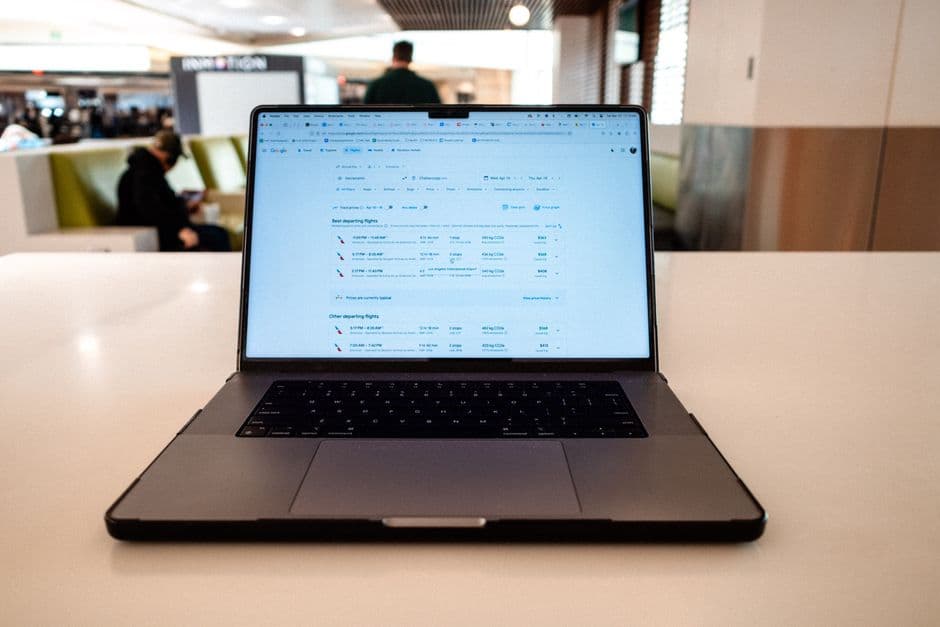
Leverage travel insurance comparison websites to easily compare different providers and policies. Websites like InsureMyTrip or Squaremouth allow you to filter options based on your specific needs, making it easier to find suitable coverage and price points, all in one place.
- 2
Check Coverage Details
Once you have a shortlist of policies, dive into the coverage details. Review what is covered, the policy limits, exclusions, and deductibles. For instance, some policies may cover trip delays but not cancellations, so ensure the policy fits your travel plans.
- 📣 Здесь может быть ваша рекламаОставить заявку →3
Evaluate Customer Reviews
Read customer reviews and testimonials to gauge the reliability of an insurance company. Look for reviews that discuss claims processes, customer service experiences, and overall satisfaction. This can provide insight into how the company operates when it matters most.
- 4
Assess the Claims Process
Understand how the claims process works for each insurance option. A simpler, faster process should be prioritized, as this can significantly reduce stress during a crisis. Call customer service beforehand if needed to clarify any confusing aspects.
- 5
Check for Additional Benefits
Look for policies that include added benefits, such as 24/7 customer support, travel assistance services, and emergency evacuation coverage. These can be very valuable in stressful situations on your trip, providing immediate assistance when you need it most.
3Method 3: Understanding Terminology and Conditions
- 1
Know Common Insurance Terms
Familiarize yourself with common insurance terms such as "deductible," "premium," and "exclusions." A deductible is the amount you'll pay out-of-pocket before the insurance kicks in, whereas the premium is what you pay upfront for coverage. Being aware of these terms will help you make informed decisions.
- 📣 Здесь может быть ваша рекламаОставить заявку →2
Read the Fine Print
Always read the entire policy document, specifically the fine print. This often contains crucial information regarding coverage limitations and exclusions that could affect your claims. Common pitfalls include misunderstanding coverage for specific incidents, like natural disasters.
- 3
Understand Exclusions and Limitations
Different policies have different exclusions and limitations. For example, many policies do not cover illnesses contracted after the policy purchase or cancellations due to personal reasons. Identifying these exclusions early helps you avoid unexpected issues later.
- 4
Update Your Policy As Needed
If your trip changes-such as new activities planned or extending your journey-make sure to update your policy accordingly. Insurance terms can vary significantly, so keeping your coverage current with your itinerary ensures you’re always protected.
- 5
Ask Questions
If you are unclear about any aspects of a policy, don’t hesitate to reach out to the insurer or broker. They can clarify any ambiguities you might have about conditions, coverage, or the claims process. This proactive approach can save you headaches later.
4Method 4: Purchasing Your Policy
- 📣 Здесь может быть ваша рекламаОставить заявку →1
Purchase Early
It’s advisable to purchase your travel insurance soon after booking your trip. This ensures coverage for any issues that may arise, such as pre-existing conditions or trip cancellations. Many policies also offer better rates if purchased early, so there’s a financial incentive as well.
- 2
Choose a Trusted Provider
Ensure that you select a reputable insurance provider. Look for companies with good financial ratings, responsive customer service, and solid track records. You want a company that will be there for you and handle claims efficiently.
- 3
Keep Documentation Handy
After purchasing, keep your policy documentation accessible, both digitally and physically. In case of an emergency, having your policy number and coverage details handy can save important time. Consider using an app that stores this information securely.
- 4
Know How to Contact Insurer
Familiarize yourself with the contact details of your insurer. Save the emergency contact numbers in your phone, and have a physical copy in your travel documents. This accessibility can be crucial during stressful situations while abroad.
- 📣 Здесь может быть ваша рекламаОставить заявку →5
Review Policy Periodically
Once you purchase the insurance, revisit your policy before you travel and confirm that your coverage suits your plans. This final check ensures you haven't missed any either new risks or opportunities for better coverage.
💡 Tips
- Always get travel insurance that is right for your specific plans to avoid any gaps in coverage.
- Make sure to store your insurance information digitally and in hard copies for easy access.
- Consider buying travel insurance through your travel agency if they offer it, as they may have tailored options.
- Look for group policies if traveling with friends or family to save costs and simplify the process.
⚠️ Warnings
- Do not assume that your health insurance provides adequate coverage abroad; verify beforehand.
- Avoid purchasing travel insurance from unknown or unverified sources to prevent scams.
- Ensure you understand the exclusions in any policy, as this can affect your coverage during emergencies.
Frequently asked questions
What does travel insurance typically cover?
Travel insurance usually covers unexpected events like medical emergencies, trip cancellations, delays, lost luggage, and personal liability. Policies vary, so it's essential to read the specifics of what each policy offers.
Is travel insurance worth the cost?
Yes, travel insurance can save you significant amounts of money and stress in case of emergencies or unexpected travel issues. The peace of mind it provides while traveling often outweighs the cost.
Can I purchase travel insurance after booking my flight?
Yes, you can usually purchase travel insurance any time before your trip. However, buying it shortly after booking offers more comprehensive coverage and often better rates.
Do I need travel insurance for domestic trips?
While it's not mandatory, travel insurance can be beneficial even for domestic trips. It can provide coverage for cancellations, delays, and medical emergencies, although you may not need extensive coverage as for international travel.
What should I do if I have a pre-existing condition?
If you have a pre-existing condition, look for policies that cover these specifically. Some insurers offer waivers for pre-existing conditions if you purchase the insurance soon after making your trip deposit.