How to Season and Care for a Cast Iron Skillet
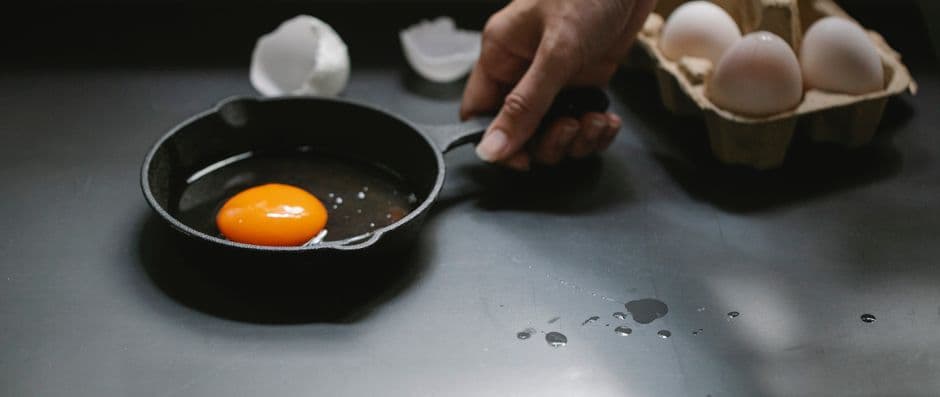
Proper seasoning and care of your cast iron skillet are essential to maintain its non-stick properties and prevent rust. Seasoning creates a protective layer that enhances cooking performance and extends its lifespan. Learning how to do this correctly can make a significant difference in its usability and durability.
📣 Здесь может быть ваша рекламаОставить заявку →1Method 1: Seasoning Your Cast Iron Skillet
- 1
Gather Your Supplies
Before you start seasoning, gather the necessary items:- A clean cast iron skillet
- Flaxseed oil or grapeseed oil (recommended for seasoning)
- A lint-free cloth or paper towels for applying oil
- Oven-safe tray or foil to catch drips
- Oven that can reach 450°F (232°C)
- 2
Clean the Skillet
If your skillet is a bit dirty or has previous seasoning build-up, it needs a thorough cleaning.- Rinse the skillet with warm water and scrub it with a non-metal brush or non-scratch sponge.
- If there is stubborn residue, use a small amount of mild soap and repeat the scrubbing.
- Always dry the skillet completely with a towel or by placing it on low heat on the stove for a few minutes. This prevents rust.
- 3
Apply the Oil
Using flaxseed or grapeseed oil is recommended due to their high smoke points.- Pour a small amount of oil (about 1-2 tablespoons) into the skillet.
- Use a lint-free cloth or paper towel to evenly coat the interior and exterior of the skillet, including the handle.
- Wipe off excess oil; a thin layer is sufficient, as too much oil can create a sticky surface.
- 📣 Здесь может быть ваша рекламаОставить заявку →4
Preheat the Oven
Set your oven to 450°F (232°C) and allow it to preheat fully.- While waiting, place a baking tray or foil on the bottom rack to catch any drips during the seasoning process.
- 5
Bake the Skillet
Once the oven is preheated, carefully place your upside-down skillet on the middle rack.- Bake for one hour; this duration allows the oil to polymerize and bond with the cast iron.
- After one hour, turn off the oven and let the skillet cool down inside the oven to room temperature.
2Method 2: Daily Care and Maintenance
- 1
Avoid Soap and Abrasives
After using your cast iron skillet, avoid harsh soaps and abrasive scrubbing pads. Instead:- Rinse it with warm water and scrub with a non-metal brush or sponge to remove food residue.
- For stuck-on food, consider boiling some water in the skillet and using a spatula to loosen debris.
- 2
Dry Thoroughly
After rinsing, it’s essential to dry your skillet immediately.- Use a clean towel to wipe the skillet dry, or place it on low heat on the stove for 5-10 minutes to evaporate any remaining moisture.
- 📣 Здесь может быть ваша рекламаОставить заявку →3
Reapply Oil After Use
After drying, it’s a good practice to apply a thin layer of oil.- Add a few drops of oil to the skillet and use a paper towel to spread it evenly.
- This step helps to maintain the skillet’s seasoning and keep it non-stick.
- 4
Store Properly
How you store your cast iron skillet can impact its longevity.- Place a paper towel inside the skillet to absorb moisture and protect the surface.
- Avoid stacking other cookware on top of it to prevent scratches.
- 5
Periodic Reseasoning
Every few months or after heavy use, consider re-seasoning your skillet.- Follow the steps outlined in Method 1 to maintain its non-stick properties.
💡 Tips
- Use high-smoke-point oils for seasoning, like grapeseed or flaxseed oil.
- Always ensure your skillet is dry before applying oil to prevent rust.
- Avoid soaking your cast iron skillet in water; it can lead to rusting.
- If your skillet develops rust, scrub it off and reseason it immediately.
⚠️ Warnings
- Never leave your cast iron skillet in the sink soaking in water.
- Avoid using metal utensils that can scratch the cooking surface.
- Store your skillet in a dry place to prevent moisture accumulation.
Frequently asked questions
How often should I season my cast iron skillet?
Generally, seasoning your skillet every few months is sufficient. Heavy use or cooking highly acidic foods may necessitate more frequent seasoning.
Can I use soap to clean my cast iron skillet?
While it's best to avoid soap, a tiny amount can be used if necessary. Just remember to season again afterward to maintain the skillet's properties.
What should I do if my cast iron skillet starts to rust?
If you find rust, scrub it off with steel wool, wash and dry the skillet thoroughly, then reseason it following the instructions outlined in Method 1.
What oils can I use for seasoning?
Flaxseed oil and grapeseed oil are excellent choices due to their high smoke points. You can also use canola oil or vegetable oil as alternatives.
Can I cook acidic foods in my cast iron skillet?
While some acidic foods can be cooked occasionally, prolonged cooking of acidic foods may degrade the seasoning. It's best to limit such dishes.
Is a cast iron skillet dishwasher safe?
No, never place your cast iron skillet in the dishwasher. Handwashing is crucial to avoid damaging the seasoning.