How to Care for a Pet During Hot Weather
Taking care of your pet during hot weather is crucial to their health and comfort. High temperatures can lead to heatstroke, dehydration, and other serious health issues. This guide provides essential tips to keep your furry friends safe and cool when the temperature rises.
📣 Здесь может быть ваша рекламаОставить заявку →1Method 1: Ensure Proper Hydration
- 1
Provide Fresh Water
Always keep your pet’s water bowl filled with fresh, cool water. Pets need more water during hot weather to avoid dehydration. Replace the water twice a day to ensure it stays clean and cool. For larger animals or multiple pets, consider providing several water bowls around your home and yard to encourage drinking. - 2
Monitor Water Intake
Pay attention to how much water your pet is drinking. Dogs should drink about 1 ounce of water per pound of body weight daily in hot weather. If they seem lethargic or are panting excessively, encourage them to drink more often. You can also offer ice cubes for a fun way to hydrate. - 3
Use a Pet-Safe Electrolyte Solution
If your pet has been very active during the heat, consider giving them a pet-safe electrolyte solution to help restore lost fluids. Follow the instructions on the product for mixing and dosages. This can aid in preventing heat stress or dehydration.
2Method 2: Provide a Cooling Environment
- 📣 Здесь может быть ваша рекламаОставить заявку →1
Create a Cool Spot Indoors
Ensure your pet has access to a cool area indoors, away from direct sunlight. Use fans or air conditioning if available, or set up a comfortable spot with cushions in a shaded room. Avoid leaving your pet in a car, even with the windows down, as temperatures can rise quickly. - 2
Offer Shade Outdoors
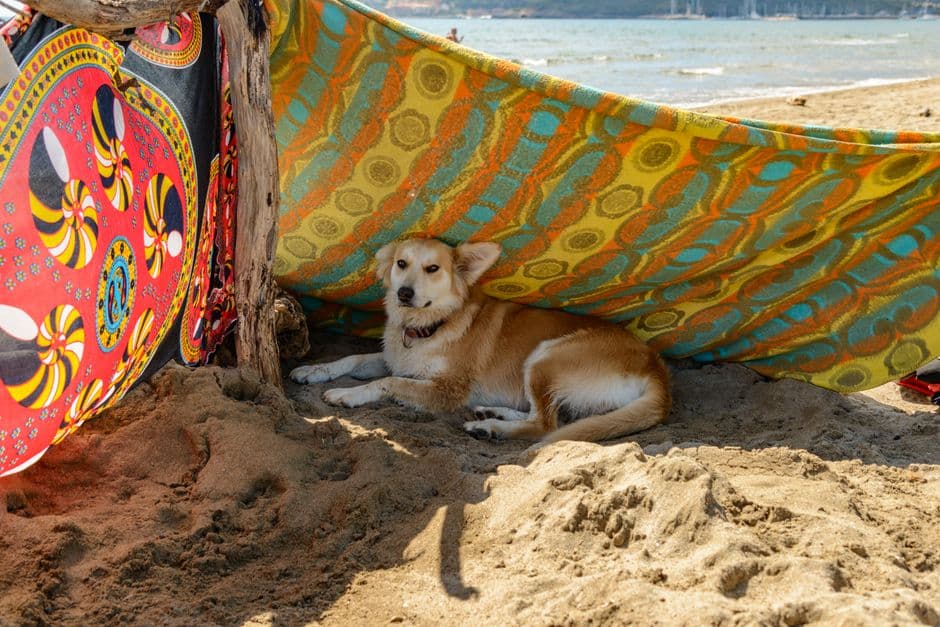
When your pet is outside, make sure they have plenty of shaded areas to escape the sun. Create shaded spots with umbrellas, tarps, or natural cover like trees. Avoid letting them stay on hot concrete or asphalt, which can burn their paws. - 3
Use Cooling Products
Consider buying pet cooling mats, vests, or bandanas designed for heat. These products can help regulate your pet’s body temperature. Ensure they are made from pet-safe materials and follow sizing instructions carefully to provide a snug but comfortable fit.
3Method 3: Manage Exercise
- 1
Adjust Exercise Times
Take your pet for walks or play sessions during the cooler parts of the day, such as early morning or late evening. Avoid strenuous activities when temperatures are at their highest, typically between 10 am and 4 pm. Short, shaded walks can be a good alternative. - 📣 Здесь может быть ваша рекламаОставить заявку →2
Watch for Signs of Overheating
Learn the signs of heat exhaustion in pets, including excessive panting, drooling, lethargy, and difficulty breathing. If you notice any of these signs, take your pet to a cool area, offer water, and consult your veterinarian if symptoms persist. - 3
Provide Breaks During Exercise
During outdoor activities, give your pet frequent breaks in shaded areas or indoors. Allow them to rest and hydrate before resuming playtime. A ten-minute break for every 20 minutes of activity is a good guideline during hot weather.
4Method 4: Grooming and Health Checks
- 1
Maintain a Healthy Coat
Regular grooming can help keep your pet’s coat healthy and free of mats that can trap heat. For long-haired pets, consider trimming their fur in the summer months to help them stay cool. Always consult a professional groomer if unsure about cutting your pet’s fur. - 2
Check for Heatstroke Risk
Be especially cautious with brachycephalic (short-nosed) breeds like Bulldogs and Pugs, which are more prone to heat stress. Monitor their behavior closely during hot weather, as they can overheat more quickly than other breeds. - 📣 Здесь может быть ваша рекламаОставить заявку →3
Consult Your Veterinarian
If your pet has any pre-existing health conditions or is elderly, consult your vet for tailored advice on keeping them safe during hot weather. They may suggest specific products or precautions to take based on your pet's needs.
💡 Tips
- Keep an eye on the humidity levels as they can increase the risk of heat stress.
- Consider using a pet-friendly sunscreen on exposed skin to avoid sunburn, especially for hairless breeds.
- Create a light mist of water outdoors using a garden hose to cool the air around your pet without drenching them.
- Plan your travel routes with plenty of breaks and water stops if traveling with pets in hot weather.
⚠️ Warnings
- Never leave your pet alone in a parked car, even for a short time, as temperatures can rise rapidly.
- Avoid walking pets on hot pavement, which can burn their paws and lead to lasting damage.
- Watch for signs of dehydration, such as dry gums and excessive panting, and act quickly if they appear.
Frequently asked questions
What temperature is too hot for pets?
As a general rule, temperatures above 85°F (29°C) can be dangerous for pets, especially if they are outside without shade or water. Brachycephalic breeds are particularly sensitive to heat.
How can I tell if my pet is overheating?
Signs of overheating in pets include excessive panting, drooling, lethargy, quickened heartbeat, and in severe cases, vomiting or collapse. Immediate cooling measures should be taken if these symptoms appear.
Can I take my dog to the beach during hot weather?
Yes, but ensure your dog has plenty of shade and fresh water while at the beach. Avoid letting them play on hot sand and keep their swimming distance in mind, especially in strong currents.
Are some pets more susceptible to heat than others?
Yes, pets that are older, overweight, or have existing health issues are more susceptible to heat. Brachycephalic breeds also struggle more than others.
What should I do if my pet gets heatstroke?
If you suspect your pet is experiencing heatstroke, immediately move them to a cooler area, provide water, and use cool, wet towels on their body. Seek veterinary assistance as soon as possible.