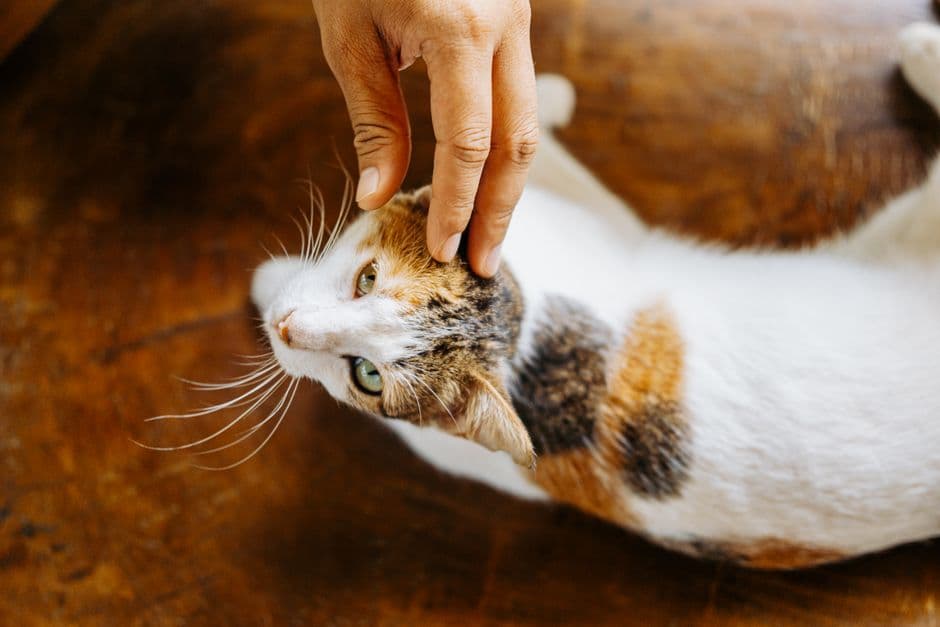
How to Introduce a New Cat to Your Home

Bringing a new cat into your home can be an exciting yet challenging experience. Properly introducing your new feline friend to your environment and any existing pets is crucial to ensure a smooth transition and promote their happiness. This guide will walk you through the steps necessary to make this process as stress-free as possible for both your new cat and your household.
📣 Здесь может быть ваша рекламаОставить заявку →1Method 1: Preparing Your Home
- 1
Designate a Safe Space
Before you bring your new cat home, set up a designated area where they can feel safe and comfortable. Choose a quiet room, preferably one with a cozy bed, food, water, and a litter box. This will help reduce anxiety and allow them to acclimate at their own pace. Aim for a small space where distractions are minimal, such as a bedroom or a quiet corner of your living room. - 2
Gather Necessary Supplies
Make sure you have all the necessary supplies ready before your cat arrives. You'll need:- A litter box and clumping litter
- High-quality cat food
- Food and water dishes
- A scratching post
- Toys for enrichment
- 3
Check for Hazards
Go through your home to remove any potential hazards that could harm your new cat. Secure loose wires, put away toxic plants, and store away any chemicals or small objects they could swallow. This step is particularly important if you have other pets that may be curious about the new arrival.
2Method 2: The Initial Introduction
- 📣 Здесь может быть ваша рекламаОставить заявку →1
Bring Them Home Calmly
When you first bring your new cat home, ensure that the environment is calm and quiet. Avoid introducing them to other pets immediately; allow them to explore their designated space first. Open the carrier door and let them come out on their own terms. This helps reduce stress and allows them to feel in control of their surroundings. - 2
Allow Time to Adjust
Give your new cat time to adjust to their new environment. This can take anywhere from a few days to a couple of weeks. During this time, avoid forcing interactions with them. Continue to provide food, water, and a clean litter box, and allow them to explore their safe space without pressure. - 3
Introduce Scents
To help your new cat become accustomed to your existing pets, exchange items that carry their scents. You can rub a soft cloth on each pet and place it in the others' spaces. This familiarizes them with each other's scent before any face-to-face meetings.
3Method 3: Gradual Introductions to Other Pets
- 1
Start with Controlled Introductions
Once your new cat seems comfortable in their space, you can begin controlled introductions with other pets. Keep the initial meetings brief and always supervise them. Start by allowing the existing pet to explore the safe zone where the new cat is without direct confrontation. This could mean placing them in visually separated spaces, such as on opposite sides of a door. - 📣 Здесь может быть ваша рекламаОставить заявку →2
Increase Interaction Time
As your pets show curiosity or calmness around each other, gradually increase the duration of time they spend together. Monitor their behavior closely for any signs of stress or aggression. It's crucial to stay patient during this process, which may take several weeks to conclude successfully. - 3
Use Positive Reinforcement
Reward both your new cat and existing pets during their interactions with treats or praise. This encourages positive associations and helps to ease any tension. If one pet seems stressed, separate them and allow more time for adjustments. Don't push the interaction if one of your pets is clearly uncomfortable.
4Method 4: Building Trust and Bonding
- 1
Create Bonding Opportunities
Once your new cat seems comfortable, engage them in activities that build trust and connection. Play with toys or engage them in gentle petting while they are relaxed. This will help strengthen your relationship and help them feel more at home. - 2
Establish a Routine
Establish a daily routine for feeding, playtime, and quiet time. Cats thrive on routine and predictability, which reduces stress and makes them feel more secure in their new environment. Try feeding them at the same times every day and maintain playtime and quiet time consistently. - 📣 Здесь может быть ваша рекламаОставить заявку →3
Be Patient and Observant
Understand that every cat is different and may take varying amounts of time to adjust to their new home and companions. Observe their behavior closely for signs of stress, such as hiding or excessive vocalization, and adjust your approach accordingly. Patience is key during this transitional period.
💡 Tips
- Introduce pets slowly and patiently to avoid stress.
- Use pheromone diffusers to help calm your new cat.
- Keep the introduction process gradual over weeks, not days.
- Maintain separation during initial introductions to ensure safety.
⚠️ Warnings
- Monitor interactions closely to prevent aggressive behavior.
- Do not rush the introduction process; give pets time to adjust.
- Ensure your home is safe and free of hazards before introducing a new cat.
Frequently asked questions
How long does it take for a new cat to adjust?
Adjusting can take anywhere from a few days to several weeks, depending on the cat's personality and past experiences. Patience is essential.
What should I do if my existing pets are aggressive towards the new cat?
If you notice aggression, separate them immediately and take a step back in the introduction process. Allow more time for them to become comfortable with each other's scent before trying again.
Is there anything to avoid when introducing cats?
Avoid forcing interactions, rushing the introduction, or allowing unsupervised meetings early on. These can lead to stress and potential aggression.
How can I tell if my new cat is stressed?
Signs of stress may include hiding, excessive grooming, or changes in eating habits. Observe your cat closely and adjust their environment accordingly.
What toys are best for bonding with my new cat?
Interactive toys, such as feather wands and laser pointers, encourage play and bonding. Cats also enjoy puzzle toys that can stimulate their minds.