How to Stop a Cat from Scratching Furniture
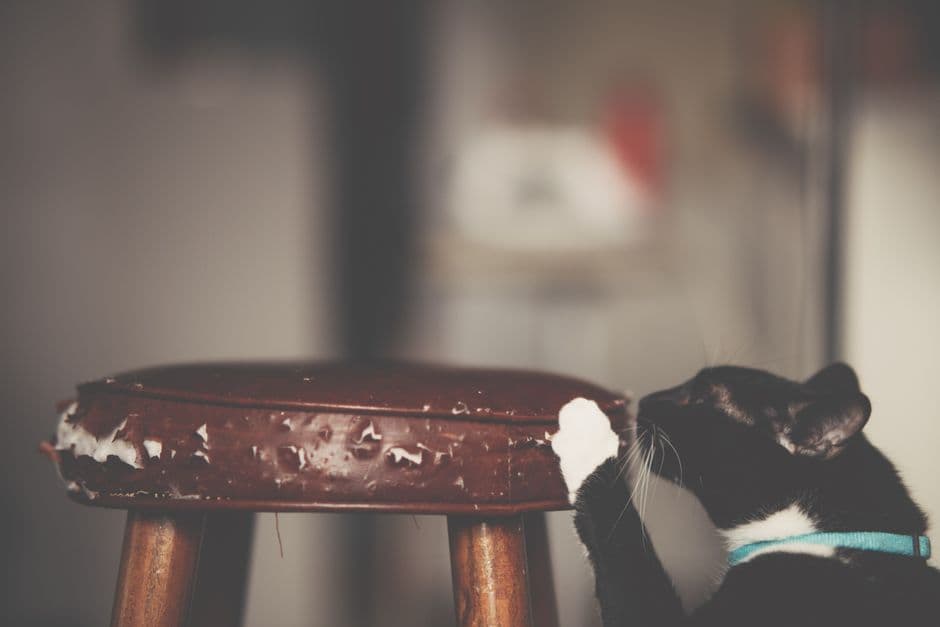
If your cat is scratching furniture, it's crucial to address the behavior to protect your home and keep your pet happy. Cats scratch for various reasons, including marking territory and needing to trim their claws. This guide provides effective methods for redirecting your cat’s scratching habits to more suitable surfaces, ensuring both your furniture and cat remain unharmed.
📣 Здесь может быть ваша рекламаОставить заявку →1Method 1: Provide Alternatives
- 1
Choose a Suitable Scratching Post
Look for a scratching post that is tall enough for your cat to stretch and scratch comfortably. A good height is usually between 28-36 inches. Consider a post made of sisal, cardboard, or wood, as cats tend to prefer these textures. Avoid soft or plush materials as they do not satisfy their scratching needs. - 2
Introduce Multiple Posts
Having more than one scratching post can help to meet your cat’s needs. Place posts in different areas of your home, especially near where they currently scratch. This increases the chances they will use the posts instead of furniture. A mix of vertical and horizontal options is ideal. - 3
Reward Your Cat
When your cat uses the scratching post instead of the furniture, reward them immediately with treats or praise. Positive reinforcement is important. Reward them consistently to encourage this behavior. The more they associate the scratching post with good things, the more likely they are to use it. - 📣 Здесь может быть ваша рекламаОставить заявку →4
Use Cat Attractants
Consider sprinkling catnip on the scratching posts or using catnip sprays. This can entice your cat to investigate and use their posts more frequently. Check the packaging to ensure the product is safe for cats and apply as directed. - 5
Experiment with Locations
Sometimes the location of the scratching post can make all the difference. Place it near the furniture they usually scratch or in their favorite spots around the house. Monitor your cat’s interactions and adjust the positions as needed.
2Method 2: Protect Your Furniture
- 1
Use Furniture Covers
Consider using slipcovers or protective furniture covers that deter scratching. Look for slipcovers made from durable fabrics or with textured surfaces that cats are less likely to enjoy scratching. Regularly wash these to keep them clean and nice-looking. - 2
Try Double-Sided Tape
Cats dislike the sticky feeling of double-sided tape. Apply strips of tape on areas where your cat tends to scratch. The unpleasant texture will deter your cat from returning to that spot. Reapply as needed until they lose interest in the furniture. - 📣 Здесь может быть ваша рекламаОставить заявку →3
Use Citrus Scents
Cats tend to avoid citrus scents. Use a citrus-scented spray or essential oil (ensure it’s safe for cats) around the areas most targeted. You can also use natural citrus peels, but they’ll need to be replaced frequently for effectiveness. - 4
Invest in Scratch Shields
Scratch shields are often made of clear plastic or fabric that can be placed over vulnerable areas of furniture. These shields prevent damage and make it difficult for cats to grip the surface, deterring them from scratching. - 5
Set Boundaries
If your cat has specific favorite areas for scratching, it might be helpful to restrict their access to those areas temporarily. Use pet gates or close doors to limit their movement in the house as they adapt to using the scratching post instead.
3Method 3: Train Your Cat
- 1
Use Clicker Training
Consider employing clicker training to reinforce positive behavior. When your cat uses the scratching post, immediately click and reward them. Over time, they will understand that using the designated areas is preferred and they will repeat the behavior more often. - 📣 Здесь может быть ваша рекламаОставить заявку →2
Identify Triggers
Observe your cat to identify what prompts them to scratch furniture. Stress, boredom, or specific times of day can be triggers. Once you pinpoint these reasons, you can address them with appropriate toys or engagement activities. - 3
Redirect Aggression
If scratching occurs out of aggression or while playing, redirect your cat's energy with interactive toys like feather wands or laser pointers. Engage in regular play sessions to help them expend hunting behaviors on toys instead of furniture. - 4
Be Consistent
Consistency is key in training your cat. Ensure that all household members are on board with the approach you choose. Reinforce the desired behavior every time to help your cat learn quickly. - 5
Patience is Essential
Don't expect immediate results. Training a cat takes time. Be patient, supportive, and consistent in your efforts, and gradually, your cat will learn preferable behavior over time.
💡 Tips
- Regularly trim your cat's claws to reduce damage.
- Provide ample playtime to keep your cat engaged.
- Use a pheromone diffuser to help reduce anxiety.
- Consider consulting a veterinarian for behavior advice.
⚠️ Warnings
- Avoid punishing your cat; it can worsen behavioral issues.
- Watch for signs of stress or anxiety during training.
- Ensure any sprays or materials used are safe for cats.
Frequently asked questions
What if my cat refuses to use the scratching post?
Try different types, heights, and materials for the scratching post. Some cats prefer vertical posts while others like horizontal surfaces. Experiment with attracting them using catnip and placing it in their usual scratching areas.
How do I stop a kitten from scratching furniture?
Start training early by providing appropriate scratchers and gently redirecting them when they scratch furniture. Positive reinforcement and consistency are key in guiding their behavior.
Will declawing stop scratching?
Declawing is not a recommended solution, as it is painful and can lead to behavioral problems. Instead, focus on providing alternatives and training methods to modify the scratching behavior.
Can I use furniture polish to deter scratching?
While some household items may deter scratching temporarily, they could damage your furniture. Stick to safe cat repellent sprays or protective covers designed specifically for protecting furniture.
How can I tell if my cat is scratching out of boredom?
If your cat scratches furniture frequently and aggressively, especially when they are alone or after long periods of inactivity, it may indicate boredom. Increase playtime and engagement with your cat to prevent this behavior.