How to House-Train a Puppy Step by Step
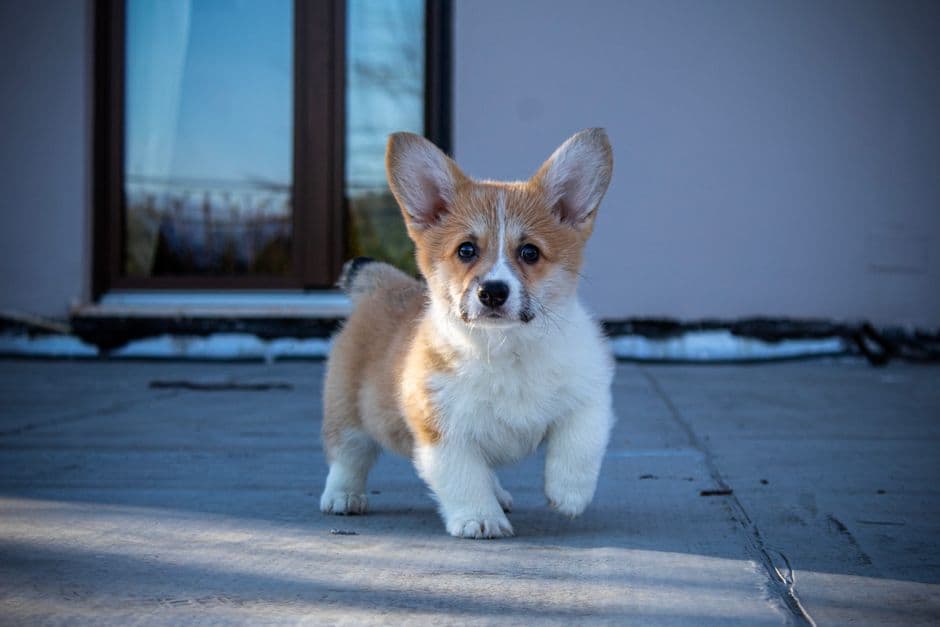
House-training a puppy is crucial for a well-behaved dog. It involves teaching your puppy to relieve itself outside, preventing accidents indoors. With patience, consistency, and the right approach, you can successfully house-train your furry friend in a few weeks.
📣 Здесь может быть ваша рекламаОставить заявку →1Method 1: Preparing for House-Training
- 1
Choose Your Potty Spot
Selecting a designated outdoor area for your puppy to relieve itself helps create a routine. Choose a spot in your yard or nearby that is quiet and consistent. This area should be away from distractions like people or other animals to help your puppy focus on their task. - 2
Gather Supplies
You will need a few supplies to make house-training effective and easier:- Puppy pads (optional for indoor training)
- Leash for taking your puppy outside
- Treats for positive reinforcement
- Cleaning supplies for accidents
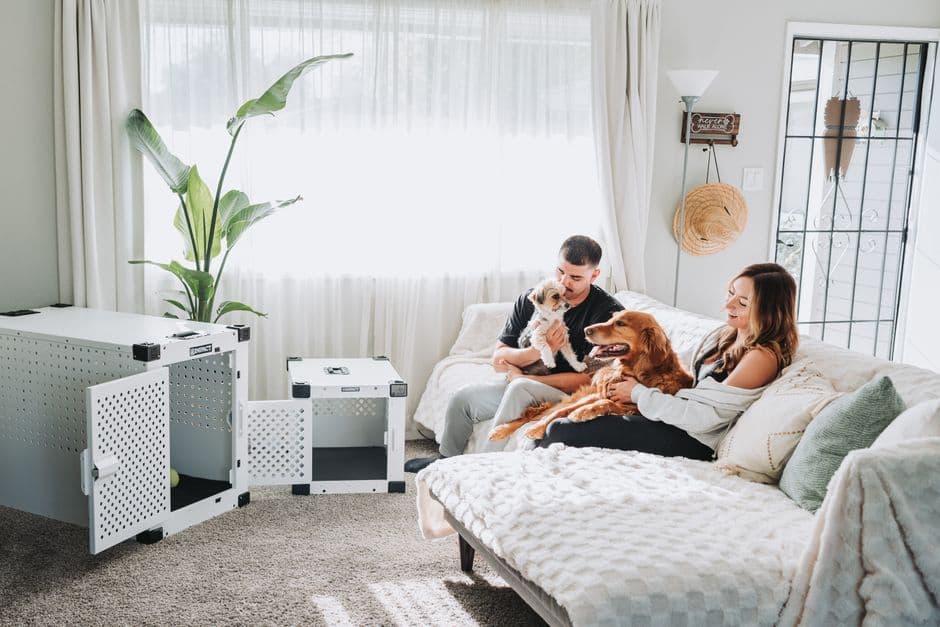
- A crate for safe confinement when you cannot supervise your puppy
- 3
Set a Schedule
Establish a regular feeding, potty, and play schedule for your puppy. This helps to regulate their bathroom habits. Puppies should go out:- First thing in the morning
- After meals
- After playtime
- Before bedtime
- Every 1-2 hours during the day
2Method 2: Teaching the Basics
- 📣 Здесь может быть ваша рекламаОставить заявку →1
Take Your Puppy Out Regularly
Immediately after your puppy eats, wakes up, or finishes playing, take them outside to the designated potty area. Always use a leash to guide them to avoid distractions. Praise them and give treats when they successfully relieve themselves outside to reinforce the positive behavior. - 2
Recognize Signs of Needing to Go
Watch for signs like whining, circling, or sniffing. If you see any of these behaviors, take your puppy outside immediately. Being attentive to your puppy's body language can help prevent indoor accidents. - 3
Use Commands
Choose a command, like "Go potty" or "Do your business," and say it every time you take your puppy outside. Use a consistent tone and reward them when they comply. This helps your puppy associate the command with the action of relieving themselves.
3Method 3: Handling Accidents
- 1
Stay Calm
Accidents will happen. If you catch your puppy in the act, don’t yell or punish them. Instead, calmly take them outside to finish their business. Clean the area thoroughly to remove odors that might encourage them to return to the same spot. - 📣 Здесь может быть ваша рекламаОставить заявку →2
Use Enzymatic Cleaners
To remove odors effectively, use an enzymatic cleaner designed for pet messes. These cleaners break down the organic compounds in urine and feces, eliminating the scent that can attract your puppy back to that spot. Follow the instructions on the cleaner for best results. - 3
Prevent Future Accidents
To help prevent accidents inside, supervise your puppy when they are not in their crate. Consider limiting their access to certain areas of the house using baby gates. If necessary, confine them to a smaller space when you cannot supervise them.
4Method 4: Reinforcing Good Behavior
- 1
Give Frequent Rewards
Praise your puppy and offer treats immediately after they relieve themselves outside. Positive reinforcement strengthens their behavior and encourages them to repeat it. Use high-value treats initially, progressively reducing them as your puppy learns the routine. - 2
Be Consistent
Consistency is crucial for house-training success. Ensure everyone in your home follows the same training methods and commands. This helps your puppy learn what is expected without confusion. Stick to the schedule you set earlier. - 📣 Здесь может быть ваша рекламаОставить заявку →3
Gradually Reduce Crate Time
As your puppy becomes more reliable with their potty habits, gradually give them more freedom around the house. Monitor their behavior closely, and if they have accidents, consider reducing their free time again. This helps reinforce their good habits and ensures they aren’t overwhelmed too soon.
💡 Tips
- Be patient; house-training can take several weeks depending on the puppy's age and breed.
- Keep a consistent schedule to help your puppy learn faster.
- Regularly take your puppy for walks; it encourages them to relieve themselves outside.
- Always clean accidents with an enzymatic cleaner to prevent repeat offenses.
⚠️ Warnings
- Avoid punishing your puppy for accidents, as this can lead to fear and anxiety.
- If your puppy consistently has accidents indoors, consult a veterinarian to rule out medical issues.
- Do not leave your puppy unsupervised for long periods, as this leads to accidents.
Frequently asked questions
How long does it take to house-train a puppy?
House-training can take anywhere from a few weeks to a few months, depending on the puppy's age, breed, and the consistency of your training methods.
What if my puppy keeps having accidents indoors?
If your puppy continues to have accidents, ensure they are on a proper schedule and observe for any health issues. If problems persist, consult your veterinarian.
Can I use puppy pads indoors?
Yes, if you live in an apartment or cannot take your puppy outside frequently, puppy pads can be helpful. Just ensure to gradually transition them to outdoor potty habits.
Is it better to train my puppy during the day or at night?
Training is most effective during the day when your puppy is awake and active. Nighttime training should focus on encouraging night bathroom breaks.
What age is best to start house-training?
You can start house-training as early as 8 weeks old when your puppy is ready to learn. Older puppies can learn more quickly but still need consistent training.