How to Make a Simple Homemade Tomato Sauce
Author: AdministratorUpdated: July 9, 2026 30 minutes Easy0 views
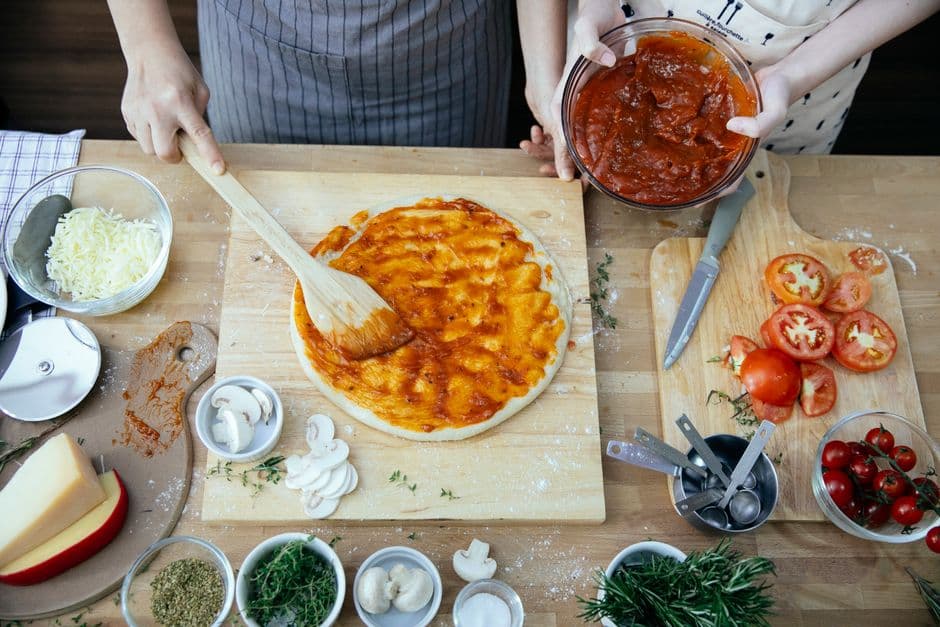
Making a simple homemade tomato sauce is easy and rewarding. Fresh ingredients and a few steps can transform basic tomatoes into a rich, flavorful sauce perfect for pasta, pizza, or dipping. The key to a great sauce is quality tomatoes and the right balance of spices.
📣 Здесь может быть ваша рекламаОставить заявку →1Method 1: Preparing the Ingredients
- 1
Choose Quality Tomatoes
Use fresh, ripe tomatoes for the best flavor. Varieties such as Roma or San Marzano are ideal due to their sweetness and low seed count. You'll need about 2 pounds (900 grams) of tomatoes. If using canned tomatoes, opt for whole peeled tomatoes in juice for a rich taste. This step is crucial for the overall quality of your sauce. - 2
Gather Other Ingredients
You'll need a few simple ingredients to enhance your sauce: 1 medium onion (diced), 3 cloves of garlic (minced), 2 tablespoons of olive oil, a teaspoon of sugar (optional), salt, and pepper to taste. Fresh basil or oregano can add a fantastic aroma. Gather these ingredients before you start cooking to streamline the process. - 3
Prep the Tomatoes
If using fresh tomatoes, blanch them to easily remove the skin. Boil water and drop the tomatoes in for about 30 seconds, then transfer them to an ice bath. Once cool, peel the skin off, core, and chop the tomatoes into small pieces. If you're using canned, simply crush them in a bowl or with your hands. This prepping step ensures your sauce has a smooth consistency.
2Method 2: Cooking the Sauce
- 📣 Здесь может быть ваша рекламаОставить заявку →1
Sauté Aromatics
In a large saucepan, heat 2 tablespoons of olive oil over medium heat. Add the diced onion and cook for about 5 minutes until they are translucent. Then, add the minced garlic and sauté for an additional 1-2 minutes until fragrant. This step is vital; properly sautéing the aromatics adds depth to the sauce's flavor and prevents the garlic from burning. - 2
Add Tomatoes to the Pan
Stir in your chopped fresh tomatoes or crushed canned tomatoes to the saucepan with the sautéed onions and garlic. Mix well to combine all ingredients. The high moisture content in the tomatoes will create the base of your sauce, and this step is essential for building layers of flavor. - 3
Season the Sauce
Season your sauce with salt, pepper, and sugar (if using). Start with about 1 teaspoon of salt and 1/2 teaspoon of pepper, adjusting to taste. If your tomatoes are too acidic, the sugar will help balance it out. Bring the sauce to a gentle simmer and let it cook uncovered for about 20 minutes, stirring occasionally. This cooking time allows the flavors to meld together. - 4
Add Fresh Herbs
In the last 5 minutes of cooking, add fresh chopped basil or oregano for an aromatic finish. You can use about 1/4 cup of fresh herbs. This step is crucial for a burst of flavor and freshness, making the sauce more vibrant and appealing.
3Method 3: Blending and Storing
- 📣 Здесь может быть ваша рекламаОставить заявку →1
Blend for a Smooth Texture
If you prefer a smoother sauce, use an immersion blender to purée the sauce until it reaches your desired consistency. If you don't have an immersion blender, carefully transfer the sauce to a countertop blender, blend, and then return it to the pan. Be cautious when blending hot liquids. Creating a smooth texture can make your sauce more appealing in various dishes. - 2
Taste and Adjust Flavors
Before serving or storing, taste your sauce and adjust the seasoning as needed. You may want to add more salt, pepper, or herbs for an enhanced flavor. This final adjustment step is important; your palate should guide the ultimate taste of your sauce, ensuring it meets your preferences. - 3
Store for Later Use
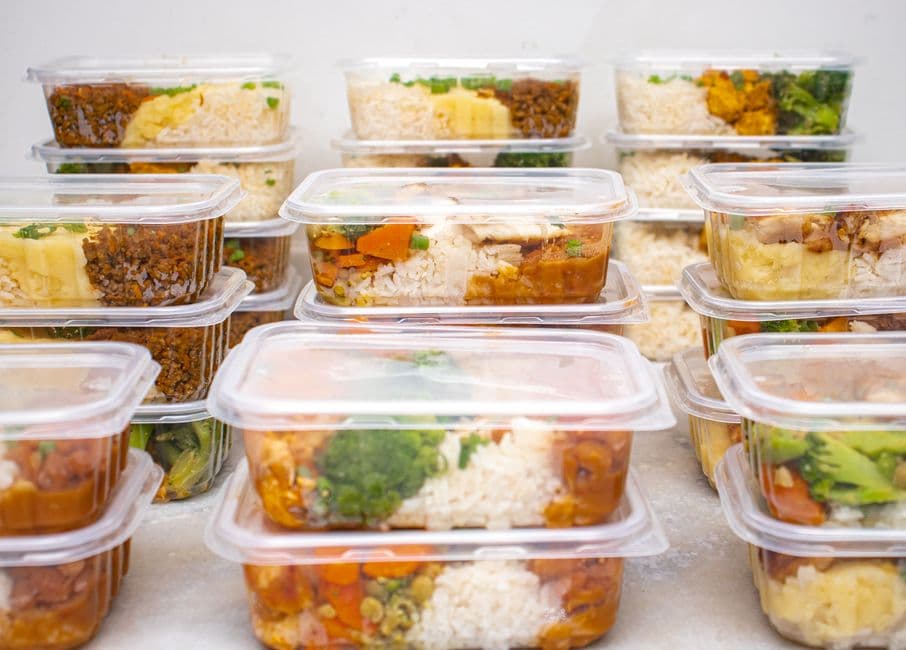
If not using immediately, let the sauce cool, then transfer it to airtight containers. It can be refrigerated for up to 5 days or frozen for up to 6 months. Make sure to leave some space in the container if freezing, as liquids expand. Proper storage keeps the sauce fresh for all your future cooking needs.
💡 Tips
- Use fresh ingredients for the best flavor.
- If you like spice, consider adding red pepper flakes while sautéing the garlic.
- Make a double batch and freeze some to save time later.
- Experiment with different herbs like thyme or bay leaf for unique flavors.
⚠️ Warnings
- Be careful when blending hot sauce to avoid burns; allow it to cool slightly if using a countertop blender.
- Don't overcrowd the pan when sautéing; this can steam the vegetables instead of sautéing them.