How to Plan a Road Trip Step by Step
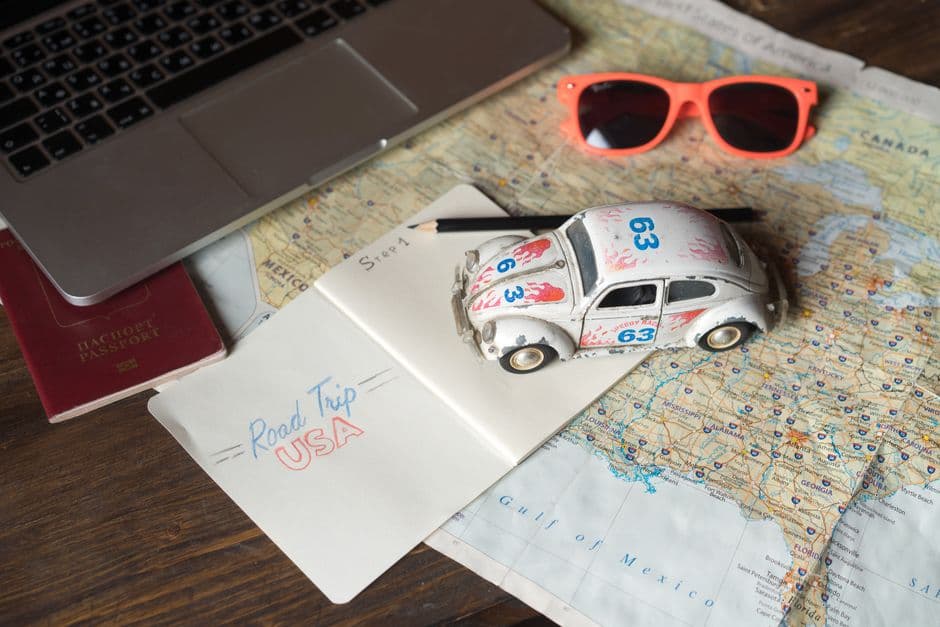
Planning a road trip involves more than just packing your bags and hitting the road. It requires careful consideration of your destination, route, accommodations, and budget. With the right preparation, you can ensure your trip is enjoyable and stress-free, allowing you to focus on the adventure ahead.
📣 Здесь может быть ваша рекламаОставить заявку →1Step 1: Determine Your Destination and Route
- 1
Choose Your Final Destination
Decide where you want to go. Consider distance, attractions, and time you have available. A clear destination can make route planning easier and more straightforward, focusing your efforts on what you want to see along the way. Popular destinations could include national parks, cities, or specific landmarks. - 2
Plan Your Route
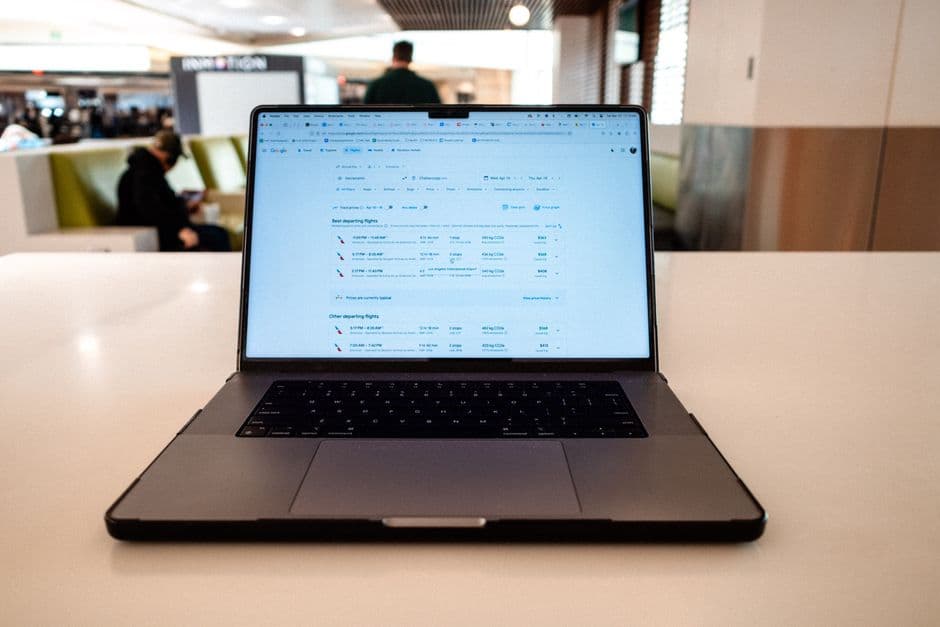
Use mapping tools like Google Maps to set your route. Input your destination and explore different routes by adjusting the points along the way. Consider scenic routes, highway options, or backroads to enhance your travel experience. Make a note of major attractions or cities you want to stop at along the route. - 3
Estimate Travel Time
Calculate the total driving time for your chosen route. Be realistic about how many hours you plan to drive each day and factor in breaks for meals, restroom stops, and sightseeing. A good rule of thumb is not to exceed 8-10 hours of driving per day, which allows for relaxation and enjoyment.
2Step 2: Budgeting for Your Road Trip
- 📣 Здесь может быть ваша рекламаОставить заявку →1
Calculate Fuel Costs
Estimate your fuel costs based on your expected mileage and your vehicle’s fuel economy. Use the following formula: (Total miles / MPG) x Gas price per gallon. This way, you can have a financial baseline before setting out, and ensure your trip stays within budget. - 2
Plan for Accommodation
Determine if you’ll camp, stay in hotels, or use alternative options like Airbnb. Research places to stay along your route, keeping in mind that popular areas may require early booking. Factor accommodation costs into your budget to avoid surprises along the way. - 3
Allocate Budget for Food and Activities
Plan meals and entertainment expenses, as well. Set a daily budget that includes meals, snacks, entrance fees for attractions, and fun activities. By keeping a detailed daily allowance, you can better manage your overall trip costs and avoid overspending.
3Step 3: Pack Wisely
- 1
Create a Packing List
Develop a checklist of items you’ll need based on your travel plans and accommodation type (camping vs. hotels). Essential items typically include clothing, toiletries, first aid kit, snacks, and electronics. Tailor your list to your destination and planned activities to ensure nothing is forgotten. - 📣 Здесь может быть ваша рекламаОставить заявку →2
Consider Emergency Gear
Always carry extra gear for emergencies. This includes a spare tire, jumper cables, a flashlight, and basic tools. Additionally, keep a roadside emergency kit with essentials like flares, blankets, and non-perishable food. Being prepared can make a significant difference in an unexpected situation. - 3
Pack Snacks and Beverages
Having snacks and drinks readily available can save money and reduce the number of stops. Pack a cooler with items like water, fruit, and sandwiches. Also consider packing reusable snack bags to reduce waste and keep things organized within your vehicle.
4Step 4: Prepare Your Vehicle
- 1
Perform a Vehicle Check
Before leaving, ensure your vehicle is road-ready. Check the oil level, inspect tire pressure, and examine lights. Having the right tire pressure can improve fuel efficiency; ensure tires are inflated according to manufacturer recommendations. - 2
Fill Up on Fluids
Make sure you have enough gas, coolant, and windshield washer fluid. Also check brake fluid and transmission fluid. Properly maintained fluid levels will help ensure a smoother drive and can prevent breakdowns during your trip. - 📣 Здесь может быть ваша рекламаОставить заявку →3
Check Roadside Assistance
Review your roadside assistance coverage (if applicable) so you're aware of what services you can access in case of breakdowns or emergencies. Consider adding this service if you don't have it already; peace of mind goes a long way during a trip.
5Step 5: Stay Flexible and Have Fun
- 1
Keep a Flexible Itinerary
While planning is key, being flexible in your itinerary allows you to explore unexpected places or take advantage of local recommendations. Allow for spontaneous detours along the way that could lead to enriching experiences. - 2
Engage with Your Travel Companions
Involve everyone in the travel plans and encourage discussions. Alternate driving responsibilities, listen to different music or podcasts, and engage in conversation. Keeping everyone involved makes the trip more enjoyable and memorable. - 3
Document Your Journey
Bring a camera or use your smartphone to capture memorable moments on your trip. Consider keeping an online journal or blog to share experiences. Documenting your journey can provide fond memories and stories to look back on for years to come.
💡 Tips
- Use apps for navigating and discovering points of interest.
- Keep an emergency contact list and share your travel plans with someone.
- Make use of playlists or audiobooks to enhance your travel experience.
- Consider downloading offline maps for areas with poor signal.
⚠️ Warnings
- Always make sure your vehicle is in good condition before departing.
- Check weather conditions and road closures before your trip.
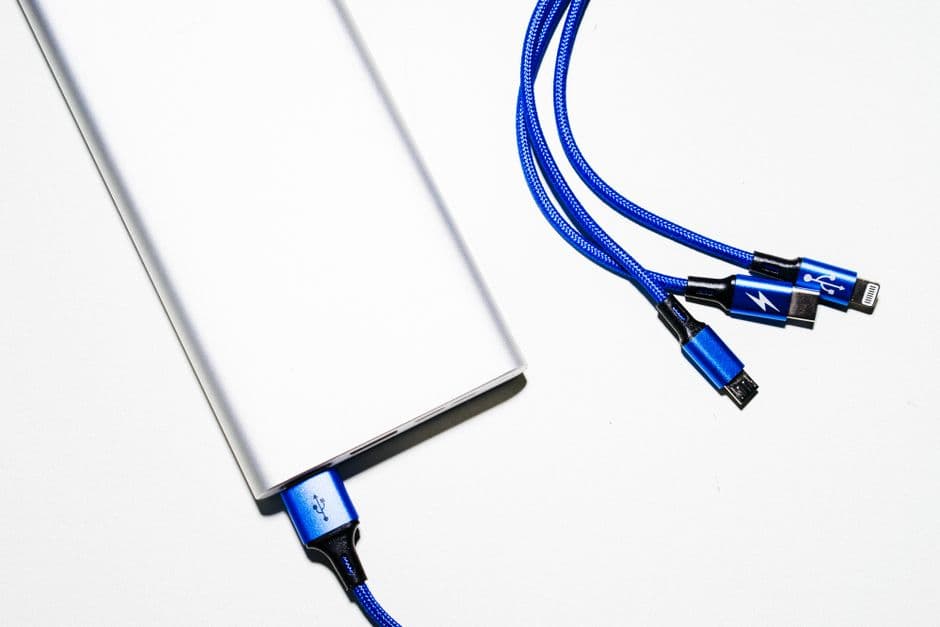
- Keep a power bank handy for your electronics during long stretches of driving.
Frequently asked questions
What should I pack for a road trip?
When packing for a road trip, consider clothes for various weather conditions, toiletries, a first aid kit, snacks, drinks, and entertainment options. A checklist can help ensure you don’t forget essential items.
How do I save money on my road trip?
To save money, plan meals ahead, pack snacks, and choose budget accommodations. Additionally, use apps to find the cheapest fuel options and research free attractions along your route.
What is the best time of year for a road trip?
The best time typically depends on your destination, but many prefer late spring or early fall due to mild weather and fewer crowds. Planning around holidays can help avoid traffic as well.
How can I make a road trip more enjoyable?
Engage with your travel companions, create a fun playlist, plan for spontaneous stops, and take plenty of photos. Keeping a flexible schedule allows for unexpected adventures.
Do I need reservations for accommodations?
It's generally a good idea to book accommodations in advance, especially in popular areas or during peak season. However, flexibility can allow for spontaneous stays and discoveries.