How to Trim Your Dog's Nails Safely
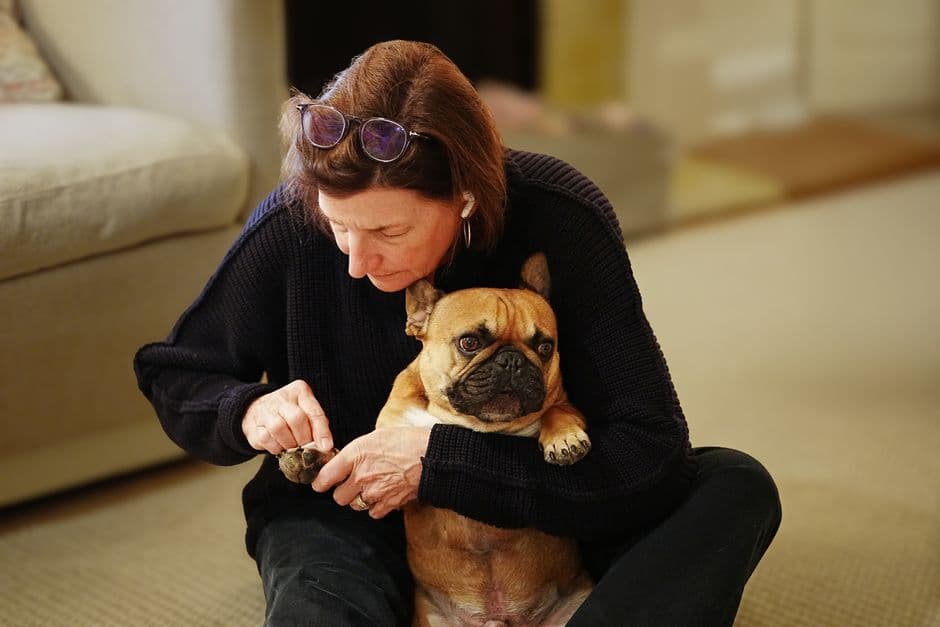
Trimming your dog's nails is essential for their health and comfort. Long nails can cause pain, mobility issues, and even injury to your pet. This guide will cover the steps to safely and effectively trim your dog's nails, ensuring a stress-free experience for both you and your furry friend.
📣 Здесь может быть ваша рекламаОставить заявку →1Method 1: Preparing for the Trim
- 1
Gather Supplies
Collect all the necessary tools for nail trimming. You'll need a pair of dog nail clippers, a nail file or grinder, and some treats to reward your dog. Choose clippers suitable for your dog's size; either scissor-type or guillotine-style clippers are commonly used. Make sure everything is within arm's reach to help keep your dog comfortable during the procedure. - 2
Acclimate Your Dog
Before you start trimming, help your dog get used to the tools and the idea of having their paws handled. Spend a few minutes each day playing with their paws, applying gentle pressure to the nail bed, and letting them sniff the clippers. This will make the process smoother and less intimidating for them. - 3
Choose a Comfortable Location
Find a well-lit, calm, and comfortable area where you can easily handle your dog. A quiet room with minimal distractions works best. If your dog feels relaxed, they are less likely to resist the trimming. You can use a non-slip mat or your dog's favorite blanket to make them feel secure. - 📣 Здесь может быть ваша рекламаОставить заявку →4
Position Your Dog Properly
Place your dog in a position that allows you easy access to their paws. For larger dogs, have them sit or lie down in front of you. For smaller dogs, you can place them on a table or your lap. Ensure you're both comfortable to avoid any sudden movements during trimming. - 5
Enlist a Helper if Needed
If your dog tends to squirm or get anxious, consider having a friend help you. They can hold your dog or distract them with treats or toys while you trim the nails. This extra pair of hands can significantly ease the process, making it safer for both of you.
2Method 2: Trimming the Nails
- 1
Identify the Quick of the Nail
Every nail has a 'quick,' the pink area inside the nail that contains blood vessels and nerves. For dogs with dark nails, it might be challenging to see the quick. Trim just the tip of the nail and avoid cutting into this area as it can cause pain and bleeding. If you're unsure, err on the side of caution and trim less at first. - 2
Trim the Nails
Using your chosen nail clippers, hold the paw firmly but gently. Aim to cut at a 45-degree angle, just below the quick. If the nail is especially long, you may need to trim in small sections, taking care to stop before reaching the quick. For many dogs, trimming one paw at a time is more manageable. - 📣 Здесь может быть ваша рекламаОставить заявку →3
Smooth the Edges
After trimming, use a nail file or grinder to smooth the edges of the cut nails. This helps prevent snags and ensures comfort for your dog. Be gentle and check frequently to avoid any discomfort. A grinder may make less noise than traditional clippers, which can reduce anxiety for sensitive pups. - 4
Take Breaks as Needed
If your dog becomes restless or anxious, take a break. Give them a chance to stretch, refresh, and receive praise or treats. It's important to keep the experience positive, so don't rush the process. You can do one paw at a time or split the task over several sessions if necessary. - 5
Be Prepared for Accidents
Sometimes, even the best handlers nick the quick. If this happens, stay calm. Apply a styptic powder or cornstarch to stop the bleeding. If bleeding continues or if your dog shows severe distress, consult your veterinarian. Having this powder on hand can quickly resolve minor accidents.
3Method 3: Post-Trimming Care
- 1
Reward Your Dog
After you finish trimming, reward your dog with treats or affection. This reinforces positive behavior and helps them associate nail trimming with a pleasant experience. Consider giving them a favorite toy or engaging in a short play session to further create a positive atmosphere. - 📣 Здесь может быть ваша рекламаОставить заявку →2
Check the Feet and Nails
Once the nails are trimmed, inspect the paws for any wounds or debris lodged between the pads. If you notice any issues, clean the area gently with a damp cloth. Keeping their nails and paws healthy helps maintain overall well-being and prevents infections or injuries. - 3
Schedule Regular Trims
Establish a regular nail trimming schedule to keep their nails at a healthy length. Depending on your dog's activity level and growth rate, you may need to trim every 3 to 6 weeks. Regular maintenance prevents excessive growth and keeps your dog comfortable. - 4
Monitor Behavior After Trimming
Observe your dog's behavior after nail trimming. If they seem unusually bothered or refuse to walk, check their paws for any signs of discomfort. If you notice anything unusual, consult your vet for further advice. Keeping an eye on their behavior helps ensure their nails don’t cause any issues.
💡 Tips
- Keep nail clippers sharp to ensure a clean cut that avoids cracking.
- Do not rush; take your time to make your dog feel secure during the process.
- If you struggle with nail trimming, consider seeking guidance from a professional groomer.
- Regularly check your dog's nails to prevent them from becoming overgrown.
⚠️ Warnings
- Avoid trimming nails when your dog is tired or anxious; they may resist more.
- If unsure about trimming, consult a veterinarian or groomer for tips.
- Using the wrong type of clippers can injure your dog's nails. Select a size appropriate for their breed.
Frequently asked questions
How often should I trim my dog's nails?
Most dogs need a nail trim every 3-6 weeks, depending on their activity levels and growth rates. Frequent walks on hard surfaces can naturally wear down nails, reducing the necessity for trims.
What if my dog has dark nails and I can't see the quick?
If your dog has dark nails, be extra cautious. Trim small sections at a time and stop if you see a change in color from opaque to a lighter shade. If unsure, ask a vet or groomer for help.
What tools are best for trimming dog nails?
The best tools include scissor-type clippers for larger breeds and guillotine-style clippers for smaller dogs. Nail grinders can also work well for dogs that are anxious about clippers.
What should I do if I accidentally cut the quick?
If you cut the quick and the nail bleeds, quickly apply styptic powder or cornstarch to the affected area to stop the bleeding. If it does not stop bleeding, contact your veterinarian.
How can I make nail trimming easier for my dog?
Start by gradually acclimating your dog to having their paws handled and introduce the clippers slowly. Use treats and praise to make the experience positive.
What are the signs that my dog's nails are too long?
Signs of overgrown nails include clicking sounds on the floor, difficulty walking, or discomfort when touching their paws. Regular checks can help you monitor their nail length.