How to Check and Change Your Engine Oil
Regularly checking and changing your engine oil is essential for maintaining your vehicle's performance and longevity. It ensures proper lubrication of the engine parts, minimizes wear, and prevents overheating. This guide will walk you through the steps to check and change your engine oil, from gathering your tools to disposing of the old oil safely.
📣 Здесь может быть ваша рекламаОставить заявку →1Method 1: Gather Your Materials
- 1
Prepare Your Tools
Having the right tools makes changing your engine oil smoother. You will need:- An oil filter wrench
- A socket or wrench set
- A funnel
- A clean oil container for old oil
- New engine oil (check your owner's manual for the right type and quantity)
- A new oil filter
- A rag or shop towel
- 2
Check Your Vehicle’s Manual
Refer to your vehicle’s manual for specific instructions related to checking and changing the oil. This manual will provide crucial information regarding:- The type of oil recommended (e.g., synthetic, conventional)
- The oil capacity
- The correct oil filter part number
2Method 2: Check the Engine Oil Level
- 1
Locate the Dipstick
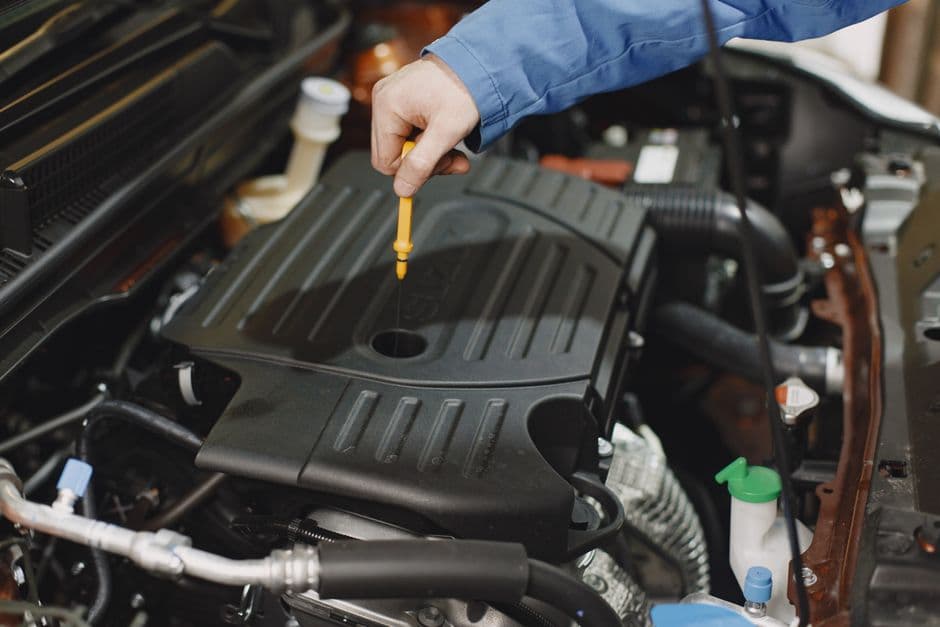
Open the hood of your car and locate the dipstick, which is usually marked with a bright handle. Pull the dipstick out, clean it with a rag, and reinsert it fully back into the tube to get an accurate reading. - 📣 Здесь может быть ваша рекламаОставить заявку →2
Read the Dipstick Level
Take the dipstick out again and examine the oil level. The dipstick will have markings that indicate minimum and maximum oil levels.- The oil should be closer to the maximum mark. If it’s low, you need to add more oil.
- Check the oil's condition; it should be slick and dark amber. If it's gritty or black, it's time for an oil change.
3Method 3: Change the Engine Oil
- 1
Place Your Car on a Level Surface
Ensure your vehicle is on a flat, stable surface. Use wheel chocks for safety and raise the car using jack stands if necessary. This ensures that the oil drains properly during the change. - 2
Drain Old Oil
Position the oil catch pan under the oil pan of your car and remove the oil drain plug (usually situated at the lowest point of the pan). Allow the old oil to drain completely into the catch pan.- Be cautious as the oil may still be warm.
- Once drained, replace the drain plug and tighten it securely.
- 3
Replace the Oil Filter
While the oil is draining, use the oil filter wrench to remove the old oil filter. Apply a bit of new oil to the rubber gasket of the new filter before installing it.- Install the new filter hand-tight to avoid leaks.
- Make sure it’s seated properly to avoid any issues when driving.
- 📣 Здесь может быть ваша рекламаОставить заявку →4
Add New Oil
Using a funnel, pour the new engine oil into the engine through the oil filler cap. Refer to your owner's manual for the correct amount to add. Once added, replace the cap securely. - 5
Check the Oil Level Again
After adding oil, let the vehicle sit for a few minutes. Check the oil level using the dipstick again to ensure it's at the optimal level. Add more oil if necessary, making sure not to overfill.
4Method 4: Dispose of the Old Oil
- 1
Transfer Oil to a Secure Container
Carefully transfer the old oil from the catch pan into a secure container with a lid. Ensure it's labeled as used oil to avoid confusion. - 2
Recycle the Old Oil
Take the container of used oil to a recycling center or an auto repair shop that accepts used oil. Never dispose of oil in the trash or down drains, as it's harmful to the environment.
💡 Tips
- Check the oil at least once a month and before long trips.
- Always allow the engine to cool before changing oil to avoid burns.
- Use a funnel to prevent spillage when adding new oil.
- Check for leaks under the vehicle after oil change.
⚠️ Warnings
- Using the wrong oil type can damage your engine.
- Avoid overfilling the oil as it can lead to engine problems.
- Let the oil drain completely to ensure a full oil change. Be careful of hot oil.
Frequently asked questions
How often should I change my engine oil?
It is generally recommended to change your engine oil every 5,000 to 7,500 miles, but always refer to your vehicle's manual for specific guidance.
What type of oil should I use?
The type of oil you should use depends on your vehicle model. Check your owner's manual for the manufacturer’s recommendation, which usually includes oil type and viscosity.
Can I check my engine oil when the engine is hot?
It's safer to check your engine oil when the engine is cool. This allows the oil to settle and gives a more accurate reading.
What do I do if my oil looks dirty?
If your oil appears dark and thick or has a gritty texture, it's a sign that it needs to be changed. Make it a regular maintenance task to maintain engine performance.
Where can I dispose of used engine oil?
Used engine oil can be taken to automotive shops or recycling centers that accept oil. Be sure to store it in a sealed container until you can dispose of it properly.