How to Choose the Right Tires for Winter
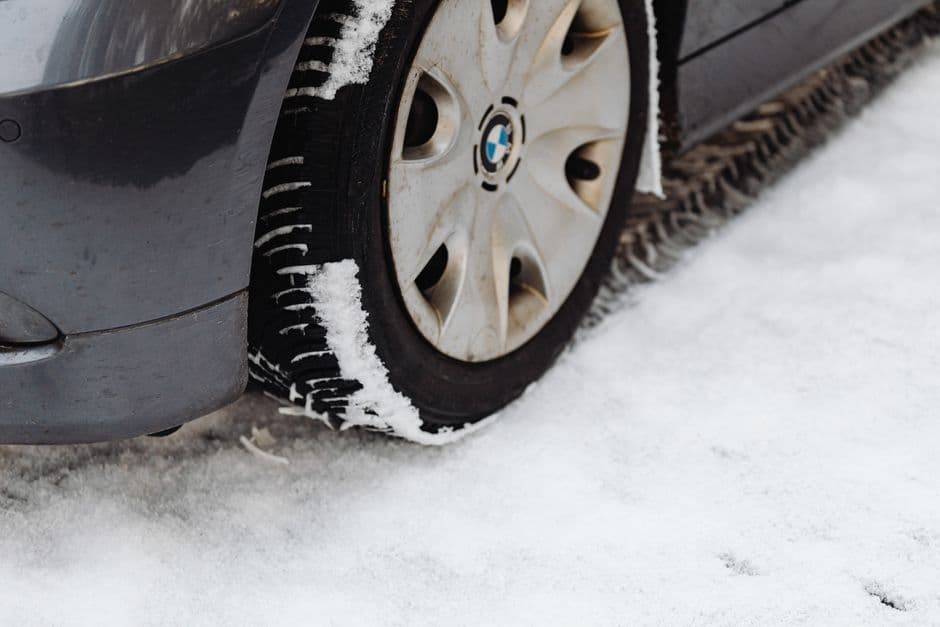
Choosing the right tires for winter is crucial for safety and performance. Winter tires are designed to provide better traction, handling, and braking in cold weather conditions. Understanding the key features and considerations will help you make an informed decision and ensure a safer driving experience during the winter months.
📣 Здесь может быть ваша рекламаОставить заявку →1Method 1: Understanding Tire Types
- 1
Know Your Options
Winter tires come in three main types: studdable, studless, and all-season.- Studdable tires feature metal studs for enhanced traction on icy surfaces. They are excellent for areas with heavy ice, but check local regulations before using them.
- Studless tires are designed with special rubber compounds and tread patterns to provide grip in icy and snowy conditions without studs. They are ideal for most winter weather.
- All-season tires are a compromise suitable for mild winter conditions, but they do not perform as well as dedicated winter tires in extreme cold or snow.
- 2
Consider Tread Design
Tread design plays a huge role in a tire’s performance in winter conditions.- Deep grooves help channel water away, reducing hydroplaning risk on wet surfaces.
- Sipe patterns create additional biting edges to improve traction on ice and packed snow. Look for tires with numerous sipes.
- In general, tires with a more aggressive tread pattern will perform better in deep snow than those with a flat profile.
- 3
Check Rubber Composition
The rubber compound used in winter tires is specially formulated to remain flexible in low temperatures.- Look for tires with a winter-specific rubber blend which helps maintain grip even in frigid conditions-this is crucial as regular tires can become hard and lose traction.
- Soft rubber compounds will wear more quickly on dry pavement, so it's best to avoid winter tires when driving regularly in warmer conditions.
2Method 2: Sizing Your Tires Correctly
- 📣 Здесь может быть ваша рекламаОставить заявку →1
Consult Your Vehicle’s Manual
Your vehicle’s owner manual will usually specify the correct tire size for your vehicle.- Locate the section that discusses tires to find the specifications, which include width, aspect ratio, and diameter (e.g., P225/65R17).
- 2
Understand Tire Measurements
Tire sizes follow a standard format based on metrics. Understanding this format is critical for choosing the right tires.- The width (in millimeters) is the first number, followed by the aspect ratio (how tall the sidewall is as a percentage of the width).
- The letter designates the tire’s construction type (R for radial), and the last number is the wheel diameter in inches.
- 3
Look for Load and Speed Ratings
Tires come with load and speed ratings that indicate their maximum load capacity and speed limits.- Load rating: This tells you how much weight the tire can support safely. It’s crucial to choose tires that meet or exceed your vehicle’s requirements.
- Speed rating: This indicates the maximum speed a tire can handle while loaded correctly. Make sure this matches or exceeds your driving conditions.
3Method 3: Evaluating Tire Performance
- 1
Check for Abrasion and Wear Resistance
Winter tires should have robust sidewalls and tread that withstand extreme temperatures and conditions.- Look for tires that have been tested for abrasion resistance; this will help them last through the winter season without excessive wear.
- Check reviews and tests from independent sources to measure long-term performance in harsh conditions.
- 📣 Здесь может быть ваша рекламаОставить заявку →2
Read Reviews and Ratings
Before making a purchase, research tire reviews for real-world performance feedback.- Consumer reviews and automotive magazines often provide valuable insights into how tires perform in the snow, ice, and wet conditions.
- Many reputable tire retailers also have customer rating sections that outline performance in various conditions and temperatures.
- 3
Ask for Expert Recommendations
Consulting with tire and automotive professionals can help you make a more informed choice.- Visit local tire shops or consult with mechanics who have expertise in winter tire recommendations.
- Provide them with your car’s make and model, and ask for their insights on the best-performing tires for your area’s winter conditions.
4Method 4: Installation and Maintenance
- 1
Decide on Professional Installation
Installing winter tires properly is essential for safety and performance.- Consider having a professional install your tires, especially if you’re switching from summer to winter tires; this ensures they are mounted correctly, balanced, and aligned.
- Many tire shops offer installation services as part of the purchase or for a nominal fee.
- 2
Maintain Proper Tire Pressure
Cold weather will affect tire pressure, often causing it to drop.- Check your tire pressure at least once a month during winter. The recommended pressure can usually be found in your owner’s manual or on a sticker inside the driver’s door.
- Keep tires properly inflated for better performance and to avoid wear.
- 📣 Здесь может быть ваша рекламаОставить заявку →3
Perform Regular Inspections
Regular tire inspections can prevent problems and prolong tire life.- Examine tire tread regularly: A depth of 4/32 inch is often considered the minimum for winter tires to maintain traction.
- Look for any signs of damage, like bulges or cracks, and replace tires as necessary to ensure safety.
💡 Tips
- Always buy tires from reputable manufacturers with a warranty.
- Consider buying a second set of rims for winter tires to make seasonal changes easier.
- Look for seasonal sales on winter tires as they often go on sale before winter hits.
- Check local laws regarding the use of studded tires before purchasing.
⚠️ Warnings
- Never use winter tires in warm weather as they can wear out rapidly.
- Ensure your winter tires are correctly sized for your vehicle to prevent safety issues.
- Be cautious of low-quality tires that may not perform well in severe conditions.
Frequently asked questions
What is the difference between winter tires and all-season tires?
Winter tires are specifically designed for cold weather and provide better traction and handling on snow and ice. All-season tires offer a balance for milder conditions but may not perform as effectively in harsh winter environments.
How often should I check my tire pressure in winter?
You should check your tire pressure at least once a month during winter months as colder temperatures can cause the air inside tires to contract, leading to lower pressure.
What tread depth is safe for winter tires?
For winter tires, a tread depth of at least 4/32 inch is recommended to ensure adequate traction on snow and ice. If your tires fall below this depth, it's time to consider replacing them.
Are studded tires better than studless winter tires?
Studded tires provide superior traction on icy roads, but they may not be allowed in some areas due to road damage. Studless tires are versatile and perform well on both snow and ice without causing road wear.
When should I switch to winter tires?
It's best to switch to winter tires when temperatures consistently drop below 45°F (7°C), and especially if you expect snow, ice, or slush.