How to Check Your Tire Pressure and Tread
Checking your tire pressure and tread is essential for safe driving and tire longevity. Properly inflated tires with sufficient tread depth improve fuel efficiency and enhance vehicle handling. Regular checks can prevent blowouts and other tire-related issues, contributing to your overall safety on the road.
📣 Здесь может быть ваша рекламаОставить заявку →1Method 1: Checking Tire Pressure
- 1
Gather Your Tools
To check your tire pressure, you need a reliable tire pressure gauge. Either a digital or a manual gauge works, and they can be found at most auto supply stores or online. Additionally, ensure you have access to an air compressor if you need to inflate the tires. This preparation prevents any delays during the check. - 2
Determine the Correct Pressure
Check your vehicle's owner manual or the sticker located inside the driver’s side door for the recommended tire pressure, usually measured in PSI (pounds per square inch). Most passenger cars require a tire pressure between 30 and 35 PSI. Knowing this value ensures that your tires are adequately inflated for optimal performance and safety. - 3
Remove Valve Cap
Locate the valve stem on your tire. This is a small rubber or metal stem that sticks out from the rim. Carefully unscrew the valve cap by turning it counterclockwise and set it aside. Be cautious not to lose the valve cap as it protects the valve from dirt and debris. - 📣 Здесь может быть ваша рекламаОставить заявку →4
Check the Pressure
Press the tire pressure gauge onto the valve stem firmly until you hear a hissing sound. This sound indicates air is escaping, which is normal. Read the gauge immediately after the hissing stops. If the pressure is below the recommended level, you’ll need to inflate your tire. - 5
Inflate If Necessary
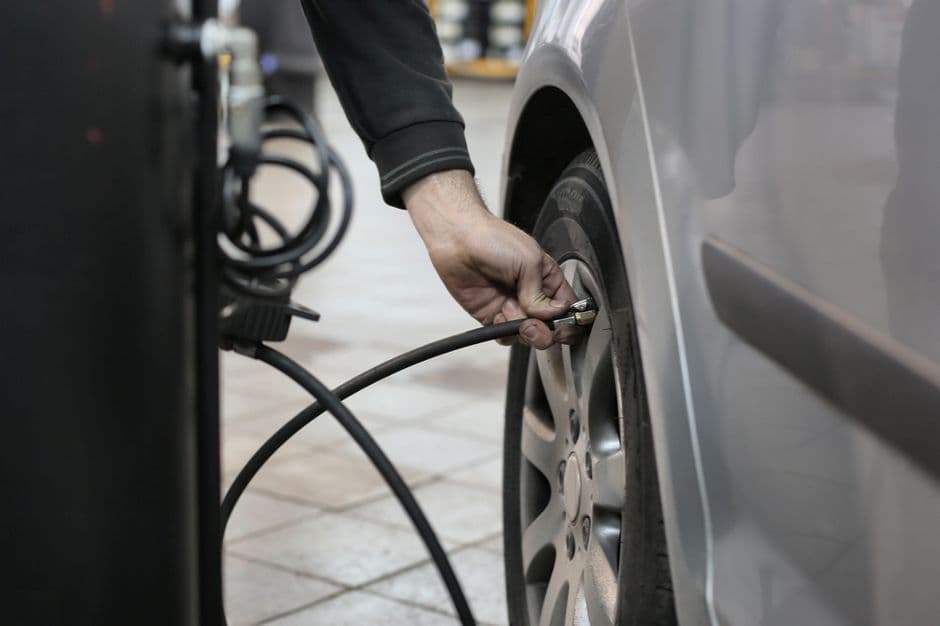
If your tire pressure is low, use an air compressor to inflate the tire. Remove the valve cap, attach the air nozzle, and turn on the compressor. Inflate the tire to the recommended PSI. After inflating, check the pressure again with the gauge to ensure it's accurate. Replace the valve cap once done.
2Method 2: Checking Tire Tread Depth
- 1
Visual Inspection
Start with a basic visual inspection of each tire. Look for any noticeable wear patterns, cracks, or blisters on the tire surface. Uneven wear can indicate alignment issues, while cracks could signify aging tires that need to be replaced. If you notice red flags, proceed to check tread depth more precisely. - 2
Use the Penny Test
One common and easy method to check tread depth is the penny test. Take a penny and insert it into the tread grooves with Lincoln’s head facing down. If you can see all of Lincoln’s head, your tread depth is too low (less than 2/32 inch), indicating it's time for new tires. - 📣 Здесь может быть ваша рекламаОставить заявку →3
Measure with a Tread Depth Gauge
For a more precise reading, use a tread depth gauge, which can be found at auto supply stores. Insert the probe into the tread grooves and press down until the gauge is flush with the tread. Read the measurement on the scale. You should have at least 2/32 inches of tread on your tires to drive safely in wet conditions. - 4
Examine Tread Patterns
When checking your tread, look for patterns. Tires should wear evenly across the surface. If there’s more wear on one side, or the center wears faster than the edges, it could indicate alignment or inflation issues. Consult a professional if you notice abnormal patterns. - 5
Periodically Check Tread
Make it a habit to check your tread depth and tire pressure at least once a month or before long trips. Regular inspections can help identify issues before they lead to unsafe driving conditions, ensuring you maintain your tires effectively.
💡 Tips
- Check tire pressure when the tires are cold for accurate readings.
- Use the penny test in different spots across the tire for a thorough assessment.
- Don’t ignore vibrations while driving; they can indicate tire problems requiring inspection.
- Replace the valve cap immediately after checking to keep the valve clean.
⚠️ Warnings
- If your tire pressure is consistently low, there may be a leak that needs professional inspection.
- Replace tires showing uneven wear or cracks, as these can lead to blowouts.
- Driving on bald tires can severely impair handling in wet conditions.
Frequently asked questions
How often should I check my tire pressure?
It's best to check your tire pressure at least once a month and before long trips. Tire pressure can change with temperature fluctuations, so regular checks help maintain safety and performance.
What should the tire pressure be for my vehicle?
The recommended tire pressure varies between vehicle models. Check your owner's manual or the sticker on the driver’s side door to find the correct PSI for your tires.
What does it mean if my tires look unevenly worn?
Uneven tire wear can indicate various issues such as poor alignment, improper inflation, or suspension problems. It’s advisable to have a professional mechanic inspect your tires and alignment to ensure safety.
How do I know when to replace my tires?
You should replace your tires if the tread depth is less than 2/32 inches, if you find cracks or bulges, or if they have uneven wear. Regular checks can help you catch these issues before they become dangerous.
Can I fix a tire puncture myself?
Small punctures in the tread can sometimes be repaired using a patch or plug kit, but for safety, it's best to have a professional assess and repair any tire damage.