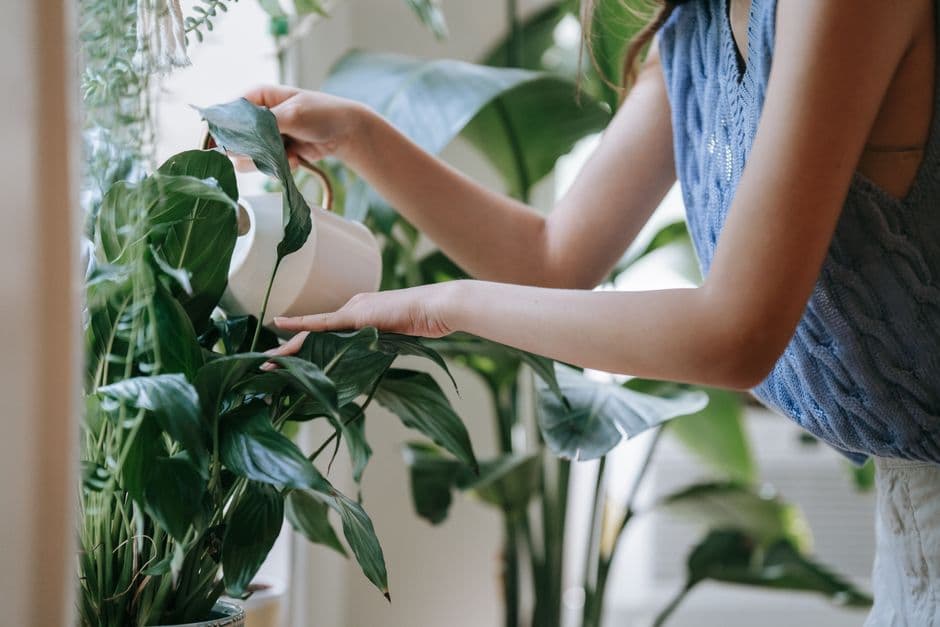
How to Grow Fresh Herbs on a Windowsill
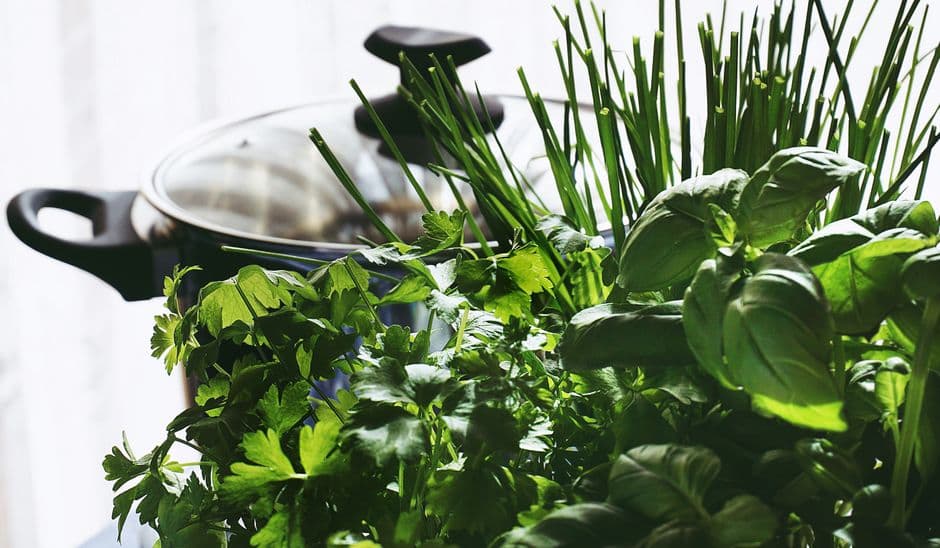
Growing fresh herbs on your windowsill is a rewarding and practical way to enhance your cooking with fresh flavors right at home. It not only beautifies your space but also ensures you have fresh herbs at your fingertips. This guide provides step-by-step methods for choosing the right herbs, planting, caring for, and harvesting them to make your indoor herb garden flourish.
📣 Здесь может быть ваша рекламаОставить заявку →1Method 1: Choosing the Right Herbs
- 1
Consider Your Cooking Needs
Think about the herbs you frequently use in your cooking. Consider basil, parsley, mint, cilantro, and thyme. This helps determine what to plant for maximum benefits. For a well-rounded selection, aim for a couple of culinary favorites that pair well together, such as basil and tomatoes or cilantro and avocado. - 2
Assess Your Space and Light
Most herbs need at least 6-8 hours of sunlight a day. Choose a windowsill that receives ample sunlight, preferably south-facing. If you don’t have enough natural light, consider using a grow light to supplement for at least 12-14 hours. - 3
Select Herb Varieties
Choose easy-to-grow herbs like basil, chives, parsley, mint, or rosemary. These herbs thrive in container gardens and are usually forgiving for beginners. Check seed packets to understand their specific growth requirements and choose varieties that match your climate if you want to grow from seeds.
2Method 2: Planting Your Herbs
- 📣 Здесь может быть ваша рекламаОставить заявку →1
Choose the Right Containers
Select containers that have drainage holes to prevent waterlogging. Pots should be at least 4-6 inches deep. Terracotta pots are great as they allow soil to breathe. You can also repurpose jars or any attractive container with holes. - 2
Prepare the Potting Mix
Use a high-quality, lightweight potting mix designed for herbs. Avoid garden soil as it may contain pests or diseases. Fill the pot about three-quarters full with the potting mix and lightly pack it down to remove air pockets. Leave about an inch at the top for watering. - 3
Plant the Seeds or Seedlings
If using seeds, plant them according to the instructions on the packet, generally 2-3 times deeper than their diameter. For seedlings, gently remove them from their nursery pots and place them in your prepared containers. Water them lightly after planting to settle the soil.
3Method 3: Caring for Your Herbs
- 1
Watering Properly
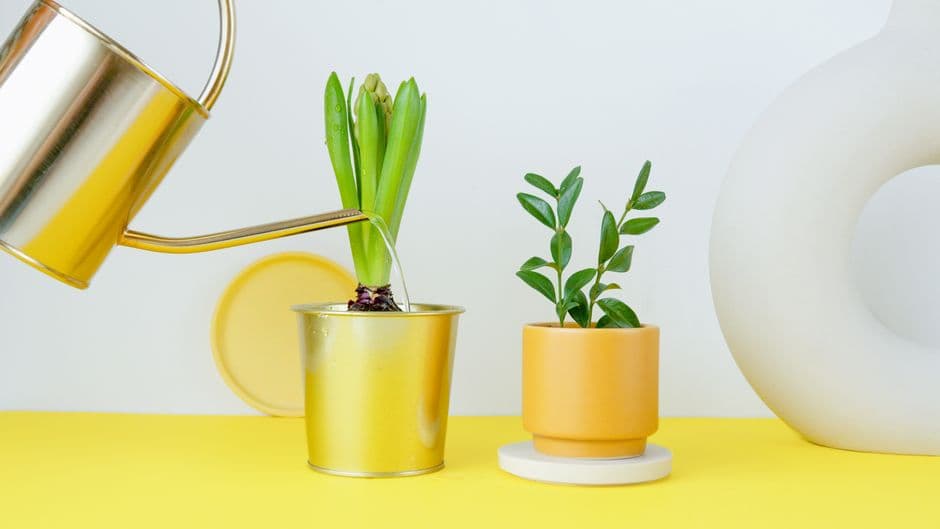
Herbs like their soil moist but not soggy. Water them thoroughly until water drains from the bottom of the pot, then wait until the top inch of soil feels dry before watering again. Typically, this means watering once or twice a week, depending on light and temperature. - 📣 Здесь может быть ваша рекламаОставить заявку →2
Maintain Optimal Temperature and Humidity
Most herbs thrive in temperatures between 65-75°F (18-24°C). They appreciate humidity, but too much can lead to mold. If your home is dry, mist the herbs occasionally or place a small humidifier nearby, especially in winter. - 3
Fertilizing Your Herbs
Fertilize your herbs every 4-6 weeks using a water-soluble fertilizer, diluted to half strength. Organic options like fish emulsion or seaweed extract are great choices. This nourishment will encourage healthy growth without over-fertilizing, which can harm your herbs.
4Method 4: Harvesting and Using Your Herbs
- 1
Harvesting Tips
Begin harvesting once the plants are about 6 inches tall. Use clean scissors to snip off leaves or stems, cutting just above a leaf node, which encourages new growth and bushiness. Avoid removing more than one-third of the plant at a time to keep it healthy. - 2
Uses for Fresh Herbs
Fresh herbs can elevate dishes like salads, pastas, and meats. Add them to pesto, sauces, or even drinks. Chopped fresh herbs can also enhance butter or cream spreads for savory flavor. Experiment by pairing herbs with seasonal ingredients to create new favorite recipes. - 📣 Здесь может быть ваша рекламаОставить заявку →3
Storing Fresh Herbs
If you have excess herbs, you can store them in the refrigerator wrapped in a slightly damp paper towel inside a plastic bag. Alternatively, consider freezing herbs in ice cube trays filled with water or oil for use in future cooking.
💡 Tips
- Rotate your pots regularly to ensure even sunlight exposure.
- Prune herbs regularly to encourage bushier growth and avoid flowering too early.
- Mix different herbs in one pot for a beautiful and functional arrangement.
⚠️ Warnings
- Certain herbs can be toxic to pets; research your chosen herbs if you have animals.
- Watch for pests like aphids or spider mites, which can infest your herbs.
- Avoid overwatering, which can lead to root rot and thrive diseases.
Frequently asked questions
How much sunlight do herbs need?
Most herbs require 6-8 hours of direct sunlight each day. If your window doesn’t provide this, consider using a grow light as an alternative.
Can I grow herbs from cuttings?
Yes, many herbs can be grown from cuttings. Just take a 4-6 inch cutting, remove the lower leaves, and place the stem in water until roots form before transferring it to soil.
What is the best time to water my herbs?
Water your herbs in the morning or early evening when temperatures are cooler, which helps prevent evaporation and allows plants to absorb moisture effectively.
Why are my herbs turning yellow?
Yellowing leaves can indicate overwatering, insufficient light, or nutrient deficiencies. Check the soil moisture and ensure your herbs are receiving enough sunlight and nutrients.
Should I let my herbs flower?
It’s generally best to trim flowers when they appear, as flowering can change the flavor of the herbs and reduce the quality of the leaves.
Can I grow herbs indoors year-round?
Yes, many herbs can be successfully grown indoors year-round with the right light and care, allowing you to enjoy fresh flavors even in winter.