How to Grow Tomatoes in Containers
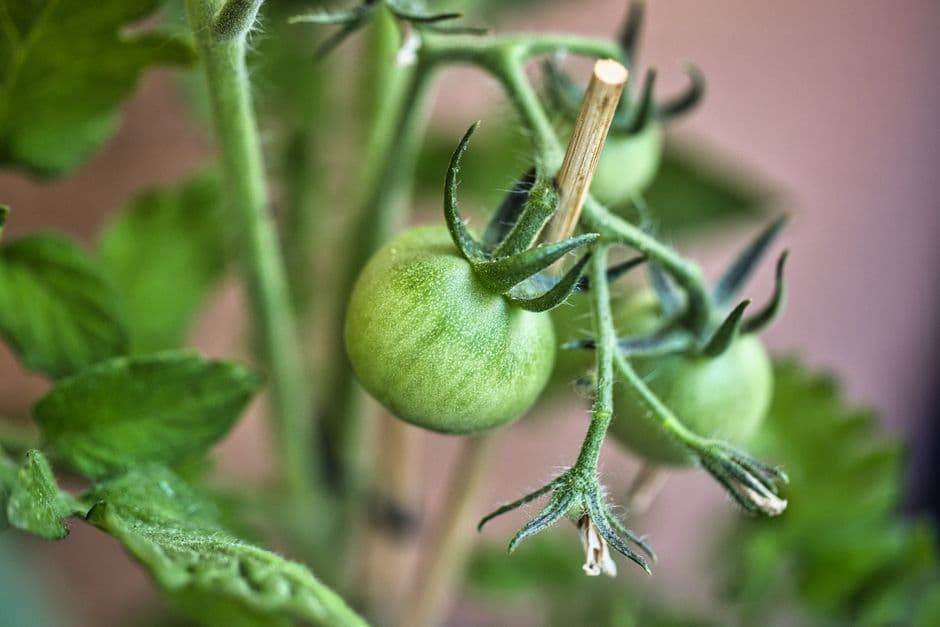
Growing tomatoes in containers is an excellent way to enjoy fresh produce, especially if you have limited garden space. Container gardening not only allows you to grow tomatoes right on your patio or balcony but also gives you control over the soil and sunlight conditions. This guide will walk you through selecting the right containers, choosing the best tomato varieties, and providing proper care for healthy plants.
📣 Здесь может быть ваша рекламаОставить заявку →1Method 1: Selecting Containers for Tomatoes
- 1
Choose the Right Size Container
Tomatoes need plenty of room to grow. Select containers that are at least 5 gallons for standard varieties, while smaller varieties like cherry tomatoes can thrive in containers as small as 3 gallons. Ensure the container is deep enough for root growth.- Standard varieties: 5-10 gallons.
- Cherry tomatoes: 3-5 gallons.
- 2
Ensure Proper Drainage
Good drainage is crucial for container tomatoes to prevent root rot. Look for containers with drainage holes in the bottom. If you have to use a pot without holes, add a layer of gravel at the bottom to help with drainage.- Check that holes are not blocked when filling the pot.
- Add gravel or stones to improve flow.
- 3
Consider Material Type
Tomato containers can be made from various materials including plastic, clay, or fabric. Plastic containers tend to retain moisture longer, whereas clay allows for better airflow but can dry out more quickly. For fabric pots, ensure they are sturdy enough to support the weight of the soil and tomato plants.
2Method 2: Choosing the Right Tomato Varieties
- 📣 Здесь может быть ваша рекламаОставить заявку →1
Select Suitable Varieties for Containers
Not all tomato varieties grow well in containers. Choose determinate or compact varieties, as they typically have a smaller size and manageable growth. Examples include:- Patio Princess
- Bush Early Girl
- Pineapple Tomato
- 2
Consider Disease Resistance
Choose tomato varieties that are resistant to common diseases, particularly if you live in a humid area. Look for 'V', 'F', 'N' labels on seed packets, which indicate resistance to Verticillium, Fusarium wilt, and root knot nematodes, respectively. - 3
Experiment with Hybrid Tomatoes
Hybrid tomatoes can often yield better results in containers as they are bred for compact growth and higher productivity. Consider looking into options like Celebrity or Tasty Evergreen hybrid tomatoes, which are known for doing well in confined spaces.
3Method 3: Planting and Care
- 1
Prepare the Potting Mix
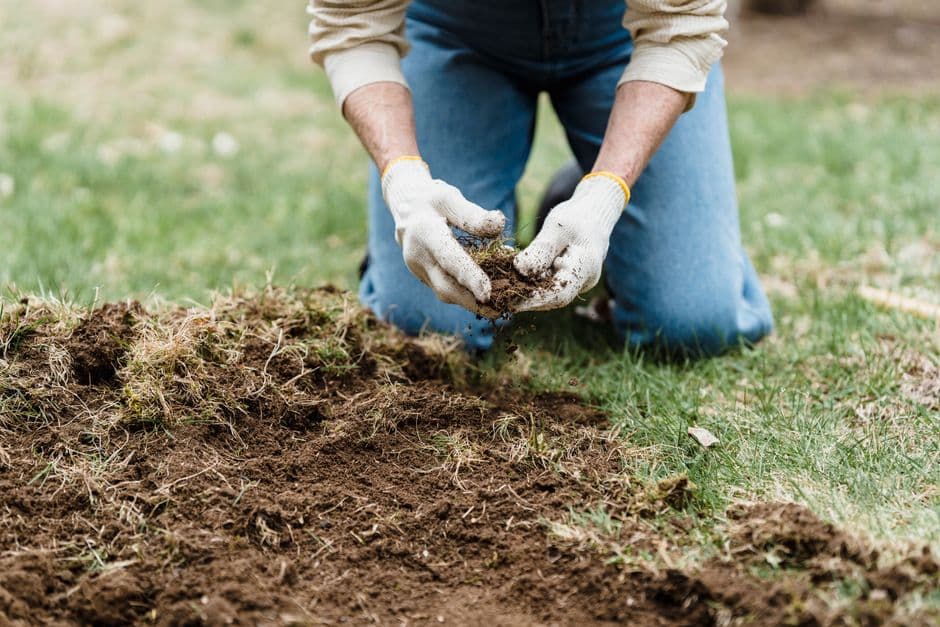
Use high-quality potting mix, not garden soil, to ensure good drainage and aeration. Aim for a blend that contains peat moss, perlite, and compost. Fill your container about 2 inches from the top, allowing space for watering without overflow.- Mix in slow-release fertilizer according to package directions.
- Consider adding a layer of mulch on top to retain moisture.
- 📣 Здесь может быть ваша рекламаОставить заявку →2
Plant Your Tomato Seedlings
Transplant your seedlings when they are about 6-8 inches tall, usually after the last frost. Plant them deep into the potting mix, burying the stem up to the bottom leaves to encourage a strong root system.- Make a small hole in the soil to place the seedling.
- Water gently after planting to avoid disturbing the soil.
- 3
Water and Fertilize Regularly
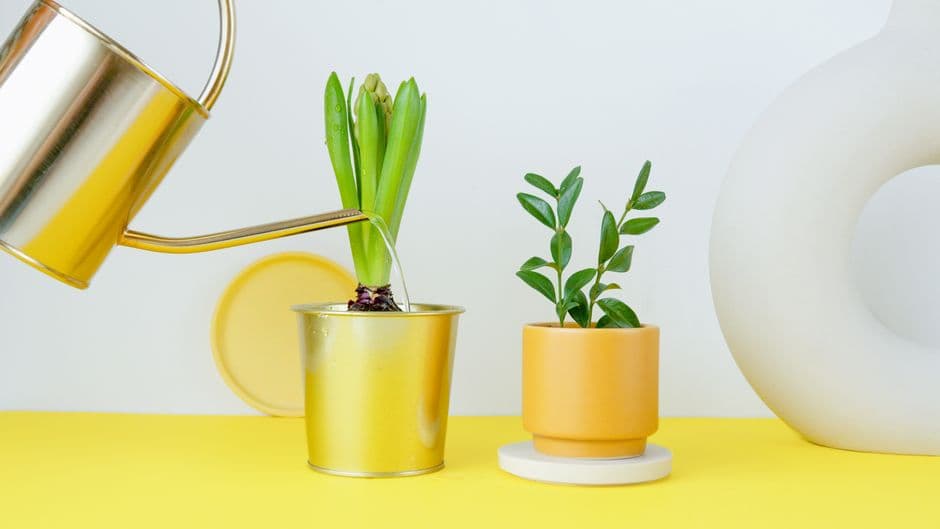
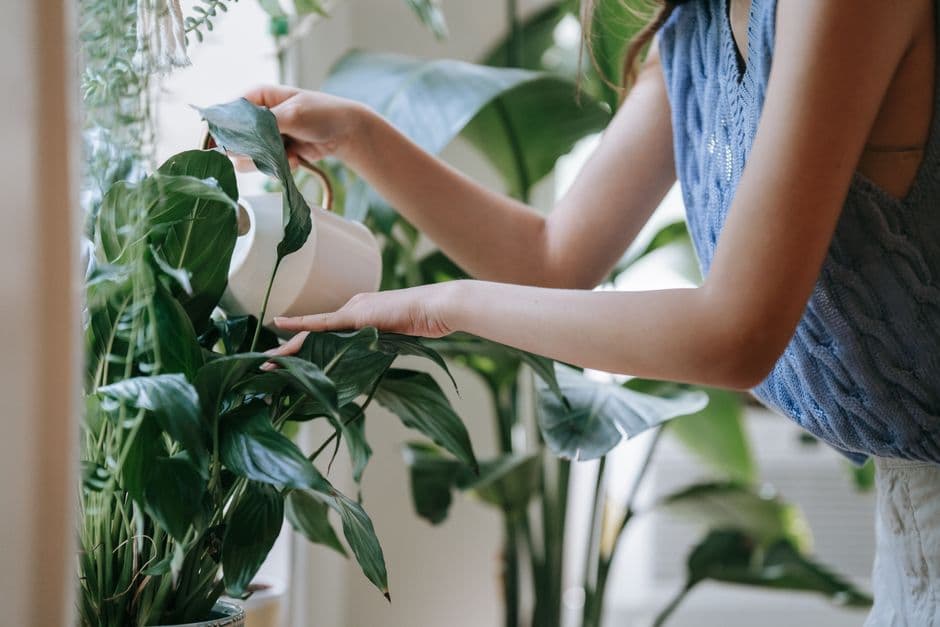
Tomatoes in containers need consistent watering, especially in warm weather. Water when the top inch of soil feels dry, and aim for about 1-2 inches of water per week. Use a balanced fertilizer every 2-4 weeks to provide essential nutrients.- Feel soil moisture before watering.
- Avoid over-fertilizing as it can lead to excessive foliage at the expense of fruit.
4Method 4: Managing Pests and Problems
- 1
Inspect for Pests Regularly
Keep an eye on your plants for signs of pests like aphids, spider mites, or whiteflies. Use insecticidal soap or neem oil spray to control infestations. Spray in the early morning or late evening to minimize harm to beneficial insects.- Check the undersides of leaves for pests.
- Regularly clean the area around your plants to deter pests.
- 2
Watch for Nutrient Deficiencies
Common nutrient deficiencies in container tomatoes include nitrogen, potassium, and magnesium. Yellowing leaves may indicate nitrogen deficiency, while leaf curl can signify potassium deficiency. Treat deficiencies with appropriate fertilizers, and always follow the directions for application rates.- Test your soil if deficiencies are suspected.
- Adjust watering to aid in nutrient uptake.
- 📣 Здесь может быть ваша рекламаОставить заявку →3
Control Disease Spread
To manage diseases like blight, ensure good airflow around your plants by spacing them properly and pruning as needed. Remove any dead or diseased leaves immediately to prevent spreading. Consider crop rotation in subsequent growing seasons to avoid sickening your soil.
💡 Tips
- Place your containers where they receive at least 6-8 hours of sunlight per day.
- Rotate your tomato plants and avoid planting the same type in the same spot each year to reduce disease.
- Harvest regularly to encourage continuous production throughout the growing season.
⚠️ Warnings
- Overwatering is a common mistake; ensure your containers have proper drainage.
- Regularly check for pests, as containerized plants can be susceptible to infestations.
- Do not let your plants get too root-bound; transplant into larger containers if necessary.
Frequently asked questions
How often should I water container tomatoes?
Water container tomatoes when the top inch of soil feels dry. Typically, they need about 1-2 inches of water per week, but check more often during hot days.
Can I use regular garden soil for container tomatoes?
It is not recommended to use regular garden soil in containers. A high-quality potting mix is better as it provides adequate drainage and aeration.
What size container is best for tomatoes?
For standard tomato varieties, use a container that is at least 5 gallons. Smaller varieties can thrive in containers as small as 3 gallons.
How can I prevent diseases in container-grown tomatoes?
To prevent diseases, ensure good airflow between plants, water at the base of the plant rather than overhead, and remove any dead leaves promptly.
Do tomato plants need support when grown in containers?
Yes, most indeterminate tomato varieties need support as they grow. Consider using stakes, cages, or trellises to help them grow upward.
What is the best fertilizer for container tomatoes?
Use a balanced fertilizer with equal amounts of nitrogen, phosphorus, and potassium. Look for slow-release options that provide nutrients over time.