How to Water Plants While You Are on Vacation
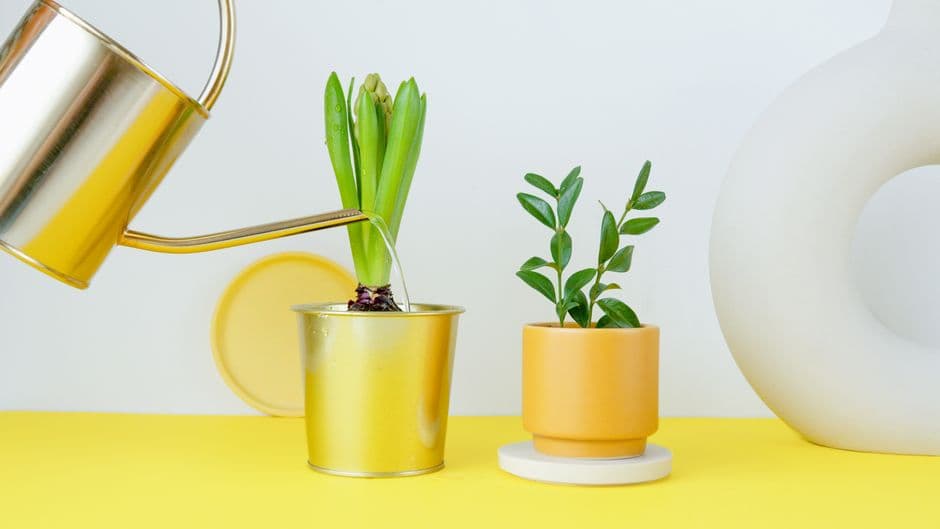
Keeping your plants hydrated while you're away is crucial to their health. When you're going on vacation, it's important to choose the right method to ensure they don't dry out. From self-watering options to clever DIY solutions, here’s a comprehensive guide to help you choose the best way to water your plants during your time away.
📣 Здесь может быть ваша рекламаОставить заявку →1Method 1: Use Self-Watering Stakes
- 1
Purchase Self-Watering Stakes
Self-watering stakes are devices that you can insert into the soil of your potted plants. They consist of a water reservoir that gradually releases moisture as needed. Look for stakes with varied sizes depending on your plant's size, such as 12-16 inches in length. - 2
Fill with Water
Fill the reservoir of the stakes with water. You can use plain water or add some liquid fertilizer if appropriate. Ensure you fill them according to the instructions - typically, a small pitcher will suffice for most sizes. This can keep plants hydrated for up to two weeks, depending on the size of the stake and the plant's needs. - 3
Insert into Soil
Insert the stakes into the soil of your plants. Place them as deep as feasible without damaging the roots to ensure a good water source. Positioning them evenly around the plant helps distribute moisture effectively. Be careful not to bury them too deep or too shallow. - 📣 Здесь может быть ваша рекламаОставить заявку →4
Check Moisture Levels
Before you leave, check the moisture level in the soil. This will give you an idea of how often the stakes might need to release water. It also helps to test the stakes on a regular plant to gauge their performance.
2Method 2: Watering Globes
- 1
Obtain Watering Globes
Watering globes are decorative glass bulbs that slowly release water into the soil. They come in various designs and sizes, holding enough liquid for several days or even weeks based on the plant size and settings. Ensure you select globes that have an opening suitable for the type of plants you have. - 2
Fill the Globe with Water
Fill the watering globe with water, but don’t overfill it. It’s essential to leave a little air space to allow for fluid transfer. Typically, globes can hold around 8-12 ounces of water. Use a funnel for easier filling to minimize spills. - 3
Invert and Insert
Invert the globe and push the narrow end gently into the soil. It should be inserted deep enough to ensure that the opening is not exposed but not too deep to damage the roots. Ensure a steady insertion by twisting gently as you do so to avoid breaking the globe. - 📣 Здесь может быть ваша рекламаОставить заявку →4
Monitor Water Release
Observe the soil for a few hours after insertion. Water should begin to seep out as the soil absorbs moisture. Check if the globe is functioning correctly by ensuring the soil remains damp without being overly soggy. Adjust the configuration if necessary for optimal performance.
3Method 3: Create a DIY Watering System
- 1
Gather Materials
To craft a DIY watering system, you will need a plastic bottle (1-2 liters), a sharp tool (like a knife or scissors), and optionally some cloth or wicking material. - 2
Prepare the Bottle
Remove the bottle cap and make 5-8 small holes at the base (around 0.5mm). This allows water to slowly drip out. Make sure holes are evenly spaced for balanced watering. Optionally, you can place a small piece of cloth into the bottle neck to help control the water flow. - 3
Fill the Bottle
Fill the bottle with water and quickly screw the cap back on. Turn the bottle upside down before inserting it into the soil of the plant. Be cautious and prevent spillage by covering the holes with your finger until it's positioned correctly in the soil. - 📣 Здесь может быть ваша рекламаОставить заявку →4
Insert in Soil
Insert the bottle upside down into the plant's soil, ensuring the holes are buried but accessible for moisture to seep out. The soil will absorb the water as needed; depending on the plant’s size, this may last from a few days up to a week. - 5
Check and Adjust as Needed
Monitor your plants and adjust the number of holes or the bottle size based on how quickly or slowly they absorb the water. If needed, larger bottles can provide a greater water supply for bigger plants.
4Method 4: Ask a Friend or Neighbor for Help
- 1
Identify a Helper
Before your vacation, find a friend, neighbor, or family member who can help with watering your plants. Choose someone who is convenient and willing to assist. Provide them with clear instructions about your plants’ watering needs, frequency, and how much water each plant requires. - 2
Create a Plant Care Sheet
Make a detailed plant care sheet that includes information about each plant, its placement, and specific watering instructions. Include details such as sunlight requirements and any potential pests they should watch for, helping them understand how to care for each one effectively. - 📣 Здесь может быть ваша рекламаОставить заявку →3
Demonstrate Watering Techniques
Show your helper how you water the plants and explain the process. Demonstrate how to check moisture levels and how much water to give each plant. Reinforce the importance of not over-watering, as soggy roots can damage plants. - 4
Set Dates and Reminders
Schedule the dates and times for when your helper will come to water the plants. Consider setting reminders on both your and their phones to ensure no day is missed. This will help you feel secure about your plants while you’re away.
💡 Tips
- Consider grouping plants together and watering them in one session.
- Use larger pots or containers that hold more water.
- Ensure plants are in a shaded area to reduce water evaporation while you're away.
- Be careful not to overwater plants just before leaving, as soggy soil can promote root rot.
⚠️ Warnings
- Always test your watering method before you leave to ensure it functions properly.
- Avoid using a method that requires complicated setups or daily adjustments if possible.
- Be cautious with DIY methods; ensure they are secure to prevent spills or leaks.
Frequently asked questions
How long can my plants survive without water?
Most houseplants can go without watering for about a week, depending on the type of plant and environmental conditions. Succulents and cacti may last longer, while tropical plants typically need more frequent watering.
What if my neighbor forgets to water my plants?
To prevent this, provide clear instructions and set reminders. You can also ask them to text you updates about the plants, or consider hiring a local pet-sitting or plant care service for added reliability.
Can I use ice cubes to water plants while on vacation?
Yes, placing a few ice cubes on top of the soil can slowly release water into the soil as they melt. However, it works best for smaller plants and should be tested to gauge if it meets the moisture needs of your plants.
What’s the best time of year to go on vacation for my plants?
The best time to vacation is in early spring or late fall when many plants are not in their growth phase and require less frequent watering. During hot summer months, plant needs may increase.
How can I prevent overwatering while I'm away?
Utilize self-watering devices that provide a controlled flow of water or create DIY systems that allow for slow drip. Monitoring soil moisture prior to leaving can also help ensure that you don’t leave plants too wet.