How to Prepare Your Garden for Winter
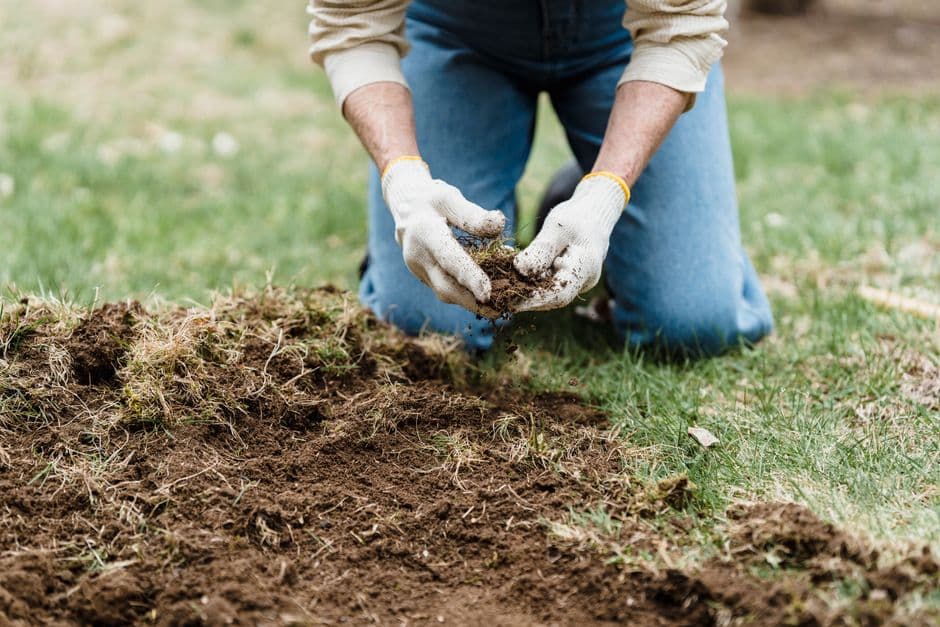
Preparing your garden for winter is essential to ensure that your plants and soil remain healthy during the cold months. Proper winterization protects perennials, shrubs, and other plants while maintaining the integrity of your garden's ecosystem. Failing to prepare can lead to damage from frost or even death for your delicate plants.
📣 Здесь может быть ваша рекламаОставить заявку →1Method 1: Clean Up Your Garden
- 1
Remove Debris
Clear away dead leaves, branches, and other debris from your garden beds. This step is crucial because decomposing organic matter can harbor pests and diseases over the winter months. Aim to collect at least 5 gallons of debris per 100 square feet. - 2
Trim Perennials and Annuals
Cut back dead or dying annuals and perennials to about 6 inches above the ground. This helps prevent diseases and pests from overwintering. Use garden shears for clean cuts and disinfect them between different plants to avoid contamination. - 3
Weed Thoroughly
Make sure to remove any weeds that are still alive. Weeds can compete for nutrients and space once the spring comes in. Aim for a weed-free zone in your garden by pulling them out by the roots to prevent regrowth next season.
2Method 2: Mulching for Insulation
- 📣 Здесь может быть ваша рекламаОставить заявку →1
Choose the Right Mulch
Select a suitable mulch material such as straw, shredded leaves, or wood chips. Use about 2-4 inches of mulch to provide insulation to plant roots. This layer traps moisture and prevents soil from freezing too deeply, promoting healthy root systems. - 2
Apply Mulch
Spread mulch evenly around the base of your perennials and other plants while keeping it a few inches away from the plant stems. This prevents rot and allows for water drainage. Ensure not to exceed a depth of 4 inches to avoid suffocating the plants. - 3
Check Mulch Depth Regularly
After applying, periodically check the mulch depth throughout winter. Snow can compact the mulch, necessitating additional layers. If you find that a layer has been compacted to less than 2 inches, add more mulch accordingly.
3Method 3: Protecting Plants and Shrubs
- 1
Wrap Delicate Plants
For plants sensitive to cold, wrap them in burlap or frost cloth. Make sure the material is breathable to prevent moisture buildup. Secure with twine, and ensure that air can circulate around the plant to prevent mold. - 📣 Здесь может быть ваша рекламаОставить заявку →2
Create Barriers for Young Trees
If you have young trees, consider using wire mesh or garden fabric to protect them from animal damage. This also shields the tree trunks from freezing temperatures. Construct a barrier that is about 3 feet high and secure it to the ground. - 3
Build a Cold Frame
Creating a cold frame can extend your gardening season. Use old windows or garden frames to construct a protective structure for select plants. This provides insulation and warmth while protecting from frost. Position it in a sunny area and ensure it's ventilated on warmer days.
4Method 4: Soil Preparation
- 1
Test Soil pH
Conduct a soil pH test to ensure that your garden will thrive in the spring. You can use a simple soil test kit available at garden centers. Aim for a pH between 6.0 and 6.8 for most vegetables, and adjust using soil amendments if necessary. - 2
Amend Soil as Needed
After testing, amend the soil based on the results. Adding compost improves soil structure, while lime raises pH levels, and sulfur can lower them. A good rule of thumb is to add about 2-3 inches of compost to your garden beds before winter. - 📣 Здесь может быть ваша рекламаОставить заявку →3
Cover Soil with Green Manure
Consider planting a cover crop like clover or rye to enhance soil quality. These crops protect against erosion and add nutrients when turned into the soil in spring. Allow the cover crops to grow until about mid-winter before cutting them down.
💡 Tips
- Water plants thoroughly before the first frost hits to reduce winter stress.
- Use organic mulch instead of synthetic for better soil health during spring.
- Plan your spring planting while preparing for winter.
- Keep tools clean and properly store them for the next growing season.
⚠️ Warnings
- Ensure proper ventilation around wrapped plants to avoid rot.
- Monitor mulch level regularly as decomposing mulch may reduce its effectiveness.
- Be cautious with fertilizers close to winter; they may promote unwanted early growth in autumn.
Frequently asked questions
When should I start preparing my garden for winter?
It's best to begin winter preparations in late autumn, about 4-6 weeks before the first expected frost in your area. This timing allows you to complete necessary tasks before the ground freezes.
Do I need to prune all plants in the fall?
Not all plants require pruning in the fall. Focus on annuals and certain perennials. Research specific plant types to determine the correct timing and method for pruning.
What types of mulch should I use for winter?
Recommended mulches include wood chips, straw, or shredded leaves. Each type offers insulation, moisture retention, and protection from winter elements.
Can I leave my garden bare during winter?
Leaving your garden bare can lead to erosion and nutrient loss. It's best to cover the soil with mulch, a cover crop, or even a winter garden layout.
Will covering my plants with plastic work in winter?
Avoid using plastic covers as they can trap moisture, leading to frost and mold. Instead, use breathable materials like burlap or frost cloth.
How can I prevent pests during winter?
Removing debris and dead plant material is key to avoiding pests overwintering. Consider using heavy-duty fabrics or insect netting to secure vulnerable plants.