How to Keep Indoor Plants Alive
Keeping indoor plants alive can be a rewarding yet challenging task. Proper care, including the right amount of light, water, and nutrients, is key to thriving plants. By understanding the specific needs of your plants and monitoring their environment, you can create a healthy indoor garden that flourishes year-round.
📣 Здесь может быть ваша рекламаОставить заявку →1Method 1: Understanding Light Requirements
- 1
Assess Light Levels
Different plants have varying light requirements. Observe your space and determine where the light is brightest, particularly near windows. Count the hours of direct and indirect light in different rooms to match your plant’s needs.
- 2
Choose the Right Spot for Your Plants
Once you know the light levels, place your plants accordingly. For example, higher light plants, such as succulents, thrive near south-facing windows. Lower light plants, like snake plants, can do well in shadier spots.
- 3
Rotate Your Plants Regularly
To ensure even growth, rotate your plants every few weeks so all sides receive equal light. This will prevent them from leaning towards the light and becoming unbalanced.
- 📣 Здесь может быть ваша рекламаОставить заявку →4
Watch for Signs of Light Stress
Yellowing leaves or elongated stems often indicate too much or too little light. Adjust their location gradually to avoid shocking the plant. Move a few inches at a time and observe for changes.
2Method 2: Watering Techniques
- 1
Know Your Plant's Water Needs
Different plants have varying water needs. Research the specific requirements for each type of plant. Some thrive in moist soil, while others prefer to dry out between waterings. For instance, succulents require less frequent watering compared to ferns.
- 2
Establish a Watering Schedule
Set a regular watering schedule based on each plant's needs. A general rule is to check the top inch of soil; if it feels dry, it's time to water. Indoor plants often need watering every 1-2 weeks, but this may vary.
- 3
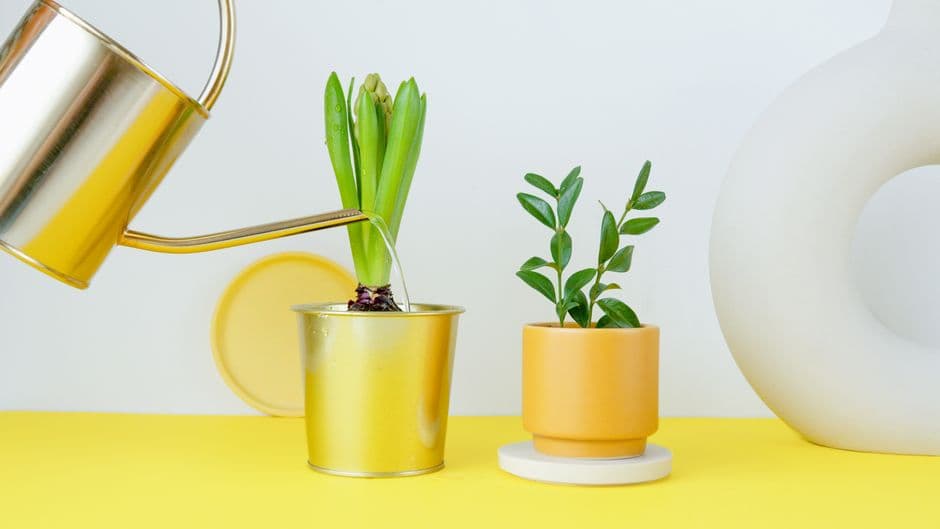
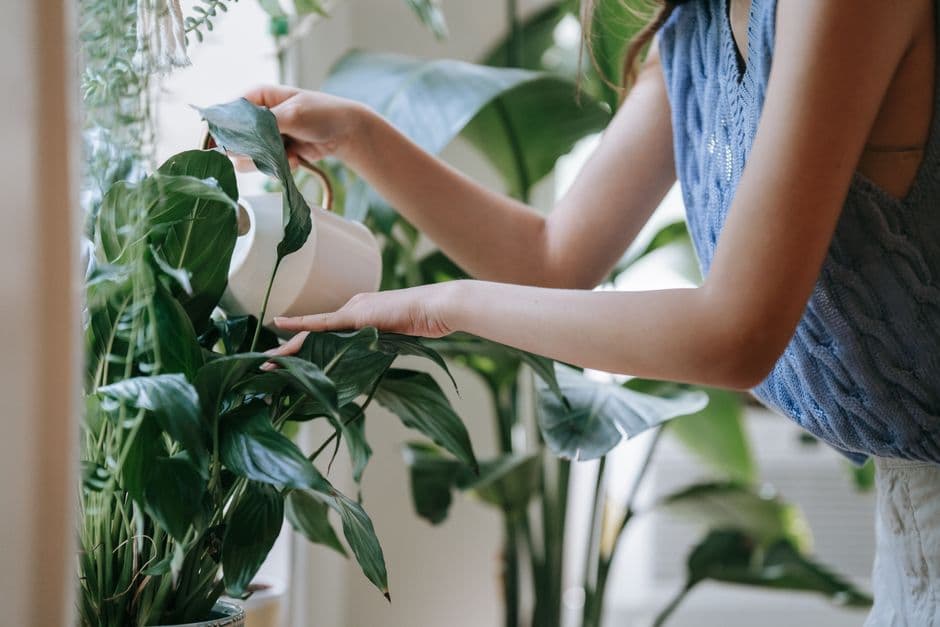
Use the Right Watering Method
Water your plants slowly and thoroughly to ensure water reaches deeper roots. It’s better to water less frequently and deeply than to water small amounts often. Make sure excess water drains away to avoid root rot, especially in pots without drainage holes.
- 📣 Здесь может быть ваша рекламаОставить заявку →4
Adjust for Humidity and Season
Humidity levels and seasons affect watering needs. In dry winter months, plants may need more frequent watering. Use a humidity meter to monitor levels, and mist plants or use a pebble tray for additional moisture if required.
3Method 3: Fertilizing and Nutrition
- 1
Select the Right Fertilizer
Choose a balanced fertilizer formulated for indoor plants. Look for one that contains nitrogen, phosphorus, and potassium. Follow package instructions for dilution to avoid over-fertilizing, which can damage plants.
- 2
Create a Fertilizing Schedule
During the growing season (spring and summer), fertilize every 4-6 weeks. Reduce frequency in fall and winter when plant growth slows. Adjust based on how your plants respond, paying attention to their appearance.
- 3
Apply Fertilizer Correctly
Water your plant before applying fertilizer to prevent root burn. Mix the fertilizer with water according to package instructions, and apply at the base of the plant, avoiding direct contact with leaves.
- 📣 Здесь может быть ваша рекламаОставить заявку →4
Watch for Nutrient Deficiencies
Keep an eye out for signs of nutrient deficiencies such as yellowing leaves or poor growth. If you notice these signs, consider adjusting your fertilizing routine or trying a different fertilizer optimized for your type of plants.
4Method 4: General Maintenance
- 1
Keep Leaves Clean
Dust can accumulate on leaves, hindering photosynthesis. Gently wipe leaves with a damp cloth or give your plants a shower occasionally to keep them clean. This also helps prevent pests.
- 2
Repot When Necessary
Check if your plants have outgrown their pots. If roots are growing through the drainage holes or circling the root ball, it may be time to repot. Choose a pot that is 1-2 inches larger in diameter with fresh potting mix.
- 3
Monitor for Pests
Pests like spider mites and aphids can damage plants. Regularly inspect for signs of infestation, such as webbing or sticky residue. If you find pests, treat them with insecticidal soap or neem oil as directed.
- 📣 Здесь может быть ваша рекламаОставить заявку →4
Adjust Temperature and Humidity
Most indoor plants prefer temperatures between 65-75°F (18-24°C). Avoid placing them near drafts, heaters, or air conditioners. Indoor humidity should generally be around 40-60%. Use a humidifier if your space is dry.
💡 Tips
- Group plants with similar light and water needs to simplify care.
- Consider using self-watering pots if you travel frequently.
- Mist plants regularly in dry conditions to increase humidity.
- Use potting soil with moisture retention properties to help maintain the right moisture balance.
⚠️ Warnings
- Overwatering is the most common mistake; always check soil moisture before watering.
- Avoid placing plants in direct draft from windows and air conditioning.
- Fertilizing too often can burn roots; follow recommended guidelines.
Frequently asked questions
How often should I water my indoor plants?
Watering frequency varies by plant type and environment. Generally, check the top inch of soil; if it's dry, it's time to water. Most indoor plants benefit from being watered every 1-2 weeks.
What should I do if my plant's leaves are turning yellow?
Yellowing leaves can signal overwatering or nutrient deficiency. Check soil moisture and consider fertilizing if the plant hasn't been fed in a while. Adjust care based on the specific plant type.
How can I tell if my plant needs repotting?
Signs include roots growing out of the pot's drainage holes, decreased growth, or soil drying out too quickly. If any of these occur, it may be time to repot into a larger container.
What is the best fertilizer for indoor plants?
A balanced, water-soluble fertilizer that contains equal parts nitrogen, phosphorus, and potassium is ideal for most indoor plants. Be sure to follow the package instructions for dilution and application.
How important is humidity for indoor plants?
Humidity is crucial for many indoor plants. Most prefer humidity levels between 40-60%. Consider using a humidifier or pebble trays to maintain adequate humidity, especially in dry indoor environments.